What I’m Teaching William to Be Independent Now
One of the most important goals I have as a mother is helping William grow into an independent and capable child.
I feel this responsibility even more deeply because I understand that one day he will need to rely on his own judgment, his own skills, and his own confidence.
Independence at four does not mean doing everything alone without guidance. It means learning to try first, to take responsibility for small tasks, and to trust that he is capable of growth.
This mindset developed slowly, especially through our regular visits to Maplewood Community Park.
The Park Taught Me When to Step Back
Twice a week after preschool, we go to the park, and gradually I began noticing patterns in children’s behavior.
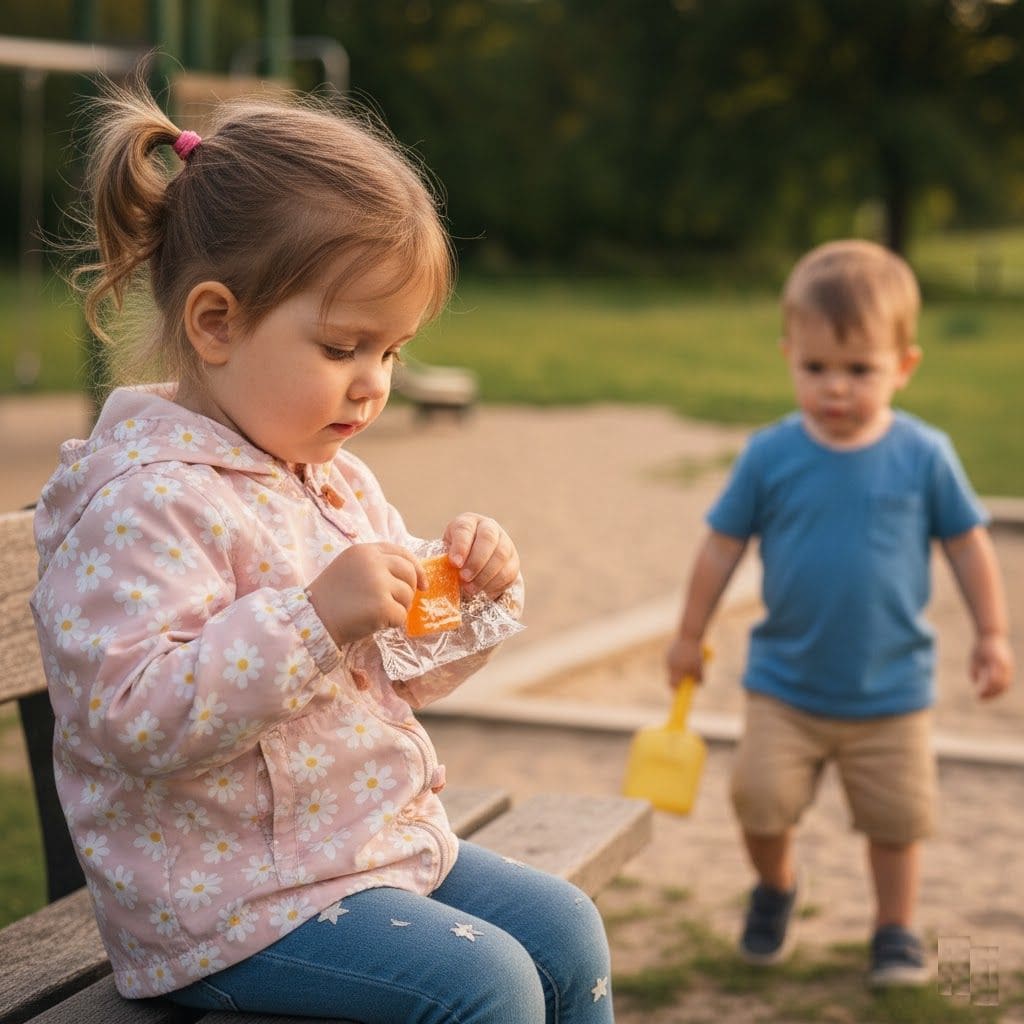
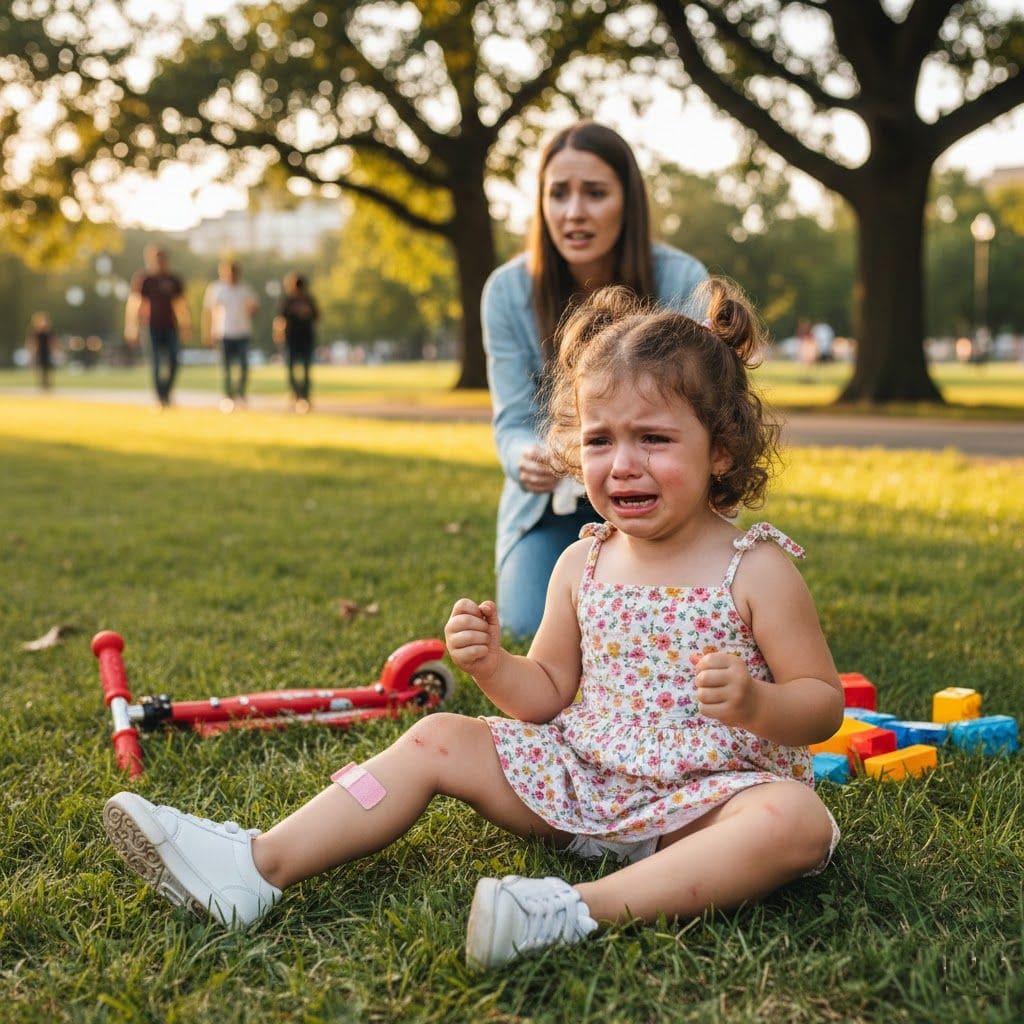
Some children would cry immediately if they stumbled lightly on the grass. Others would demand snacks within minutes of arriving, even if they had eaten recently.
Also, a few refused to climb the ladder to the slide unless a parent stood directly behind them holding their waist the entire time.
I never judge other parents because every family has different values and circumstances. However, those moments made me reflect on my own habits.
I realized that when William was younger, I rushed to fix everything.
If he tripped, I picked him up immediately. If he felt slightly uncomfortable, I carried him. If he wanted a snack simply because another child had one, I often gave in to avoid tears.
One afternoon, he tripped while running toward the swings. He looked up at me, waiting for my reaction.
Instead of rushing in, I walked toward him calmly and asked, “Are you hurt, or did that just surprise you?” He paused, blinked, and said, “Surprised.”
I told him to take a deep breath and stand up slowly. He did, brushed off his hands, and ran back toward the slide.
See also: Our Twice-a-Week Park Ritual After School
What William Can Do Independently Now
Over the past year, I have intentionally given William responsibilities that stretch him without overwhelming him.
Feeding and Caring for Our Dog
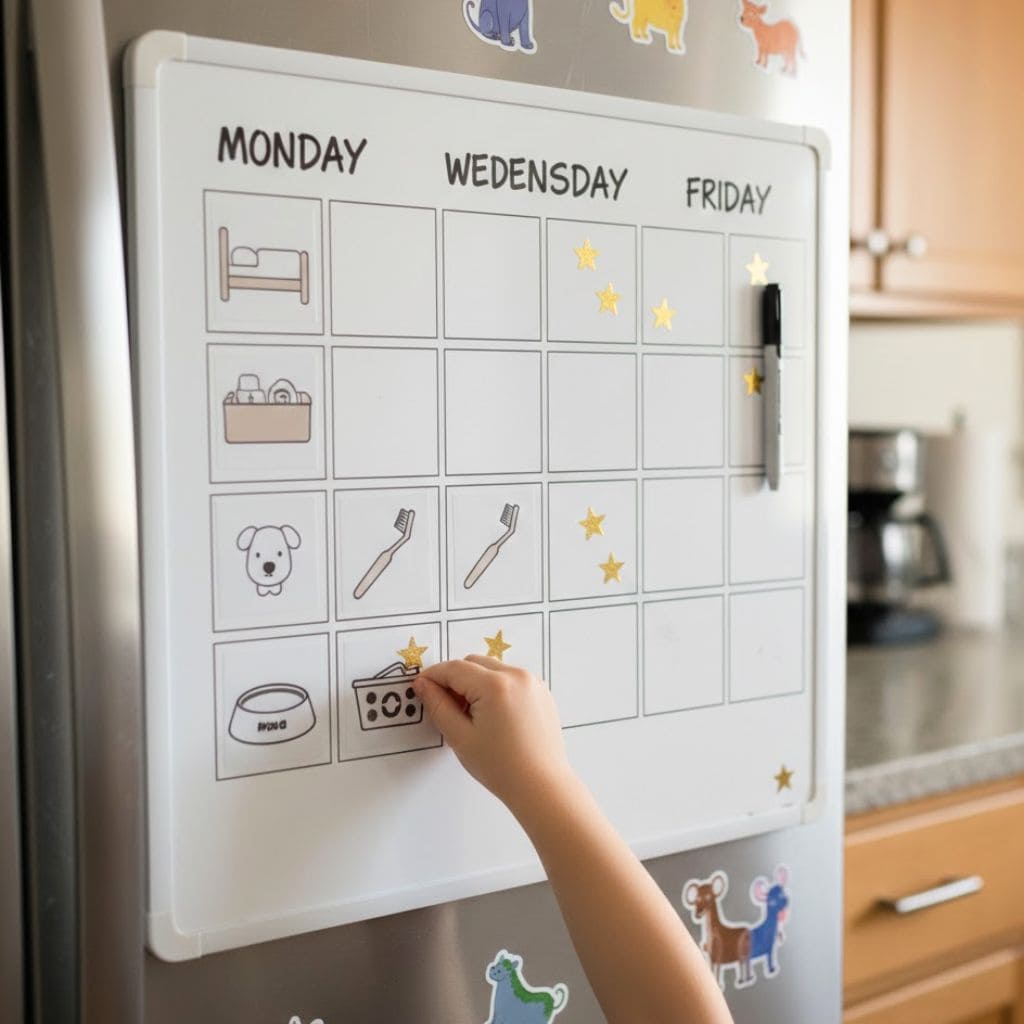
Every evening after dinner, William feeds our fluffy Pomeranian. I moved the dog food container to a lower cabinet so he can access it safely.
He measures one level scoop using a small plastic measuring cup that we designated specifically for feeding time.
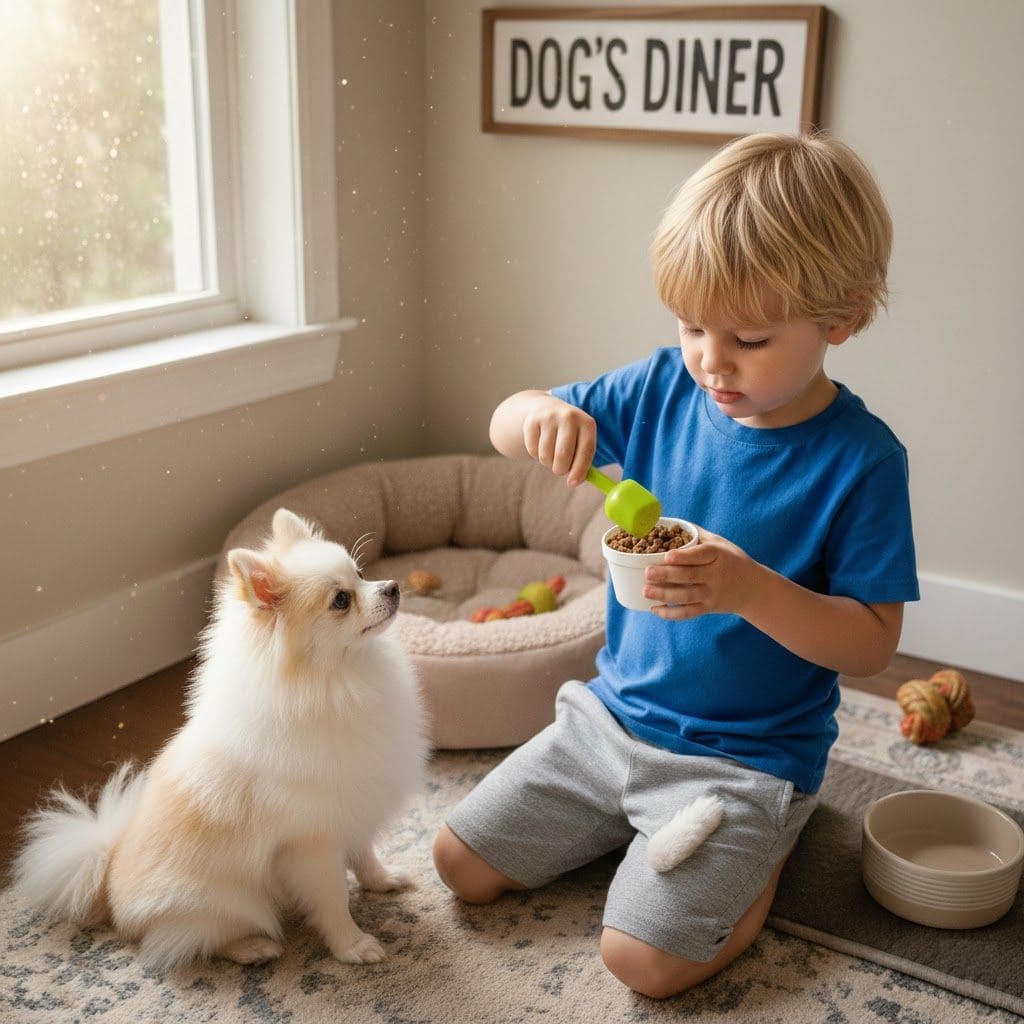
At first, he spilled food on the floor regularly. Instead of taking over, I handed him a small broom and showed him how to sweep carefully.
Now he pours slowly, steadies the bowl with one hand, and checks that the water bowl is filled halfway, not overflowing.
He even reminds me if we are running low on dog food because he has learned to observe small details.
In the backyard, he throws a rubber ball gently and waits patiently for the dog to return it. He understands that pets require daily care, not occasional attention.
Dressing Himself With Confidence
Mornings used to feel rushed because I dressed him quickly to save time. I realized that by doing everything for him, I was delaying his independence.
Now I give him structured choices. I lay out two weather-appropriate outfits and allow him to choose which one he prefers. If he selects mismatched socks, I allow it unless we have a formal event.
He can now put on his underwear, pants, and shirt without assistance. He has learned to zip his jacket slowly while looking down and guiding the zipper carefully.
Buttons still require patience, but he insists on trying before asking for help.
On mornings when he completes the entire process independently, he walks into the kitchen with visible pride and says, “I’m ready by myself.”
Organizing and Cleaning His Toys
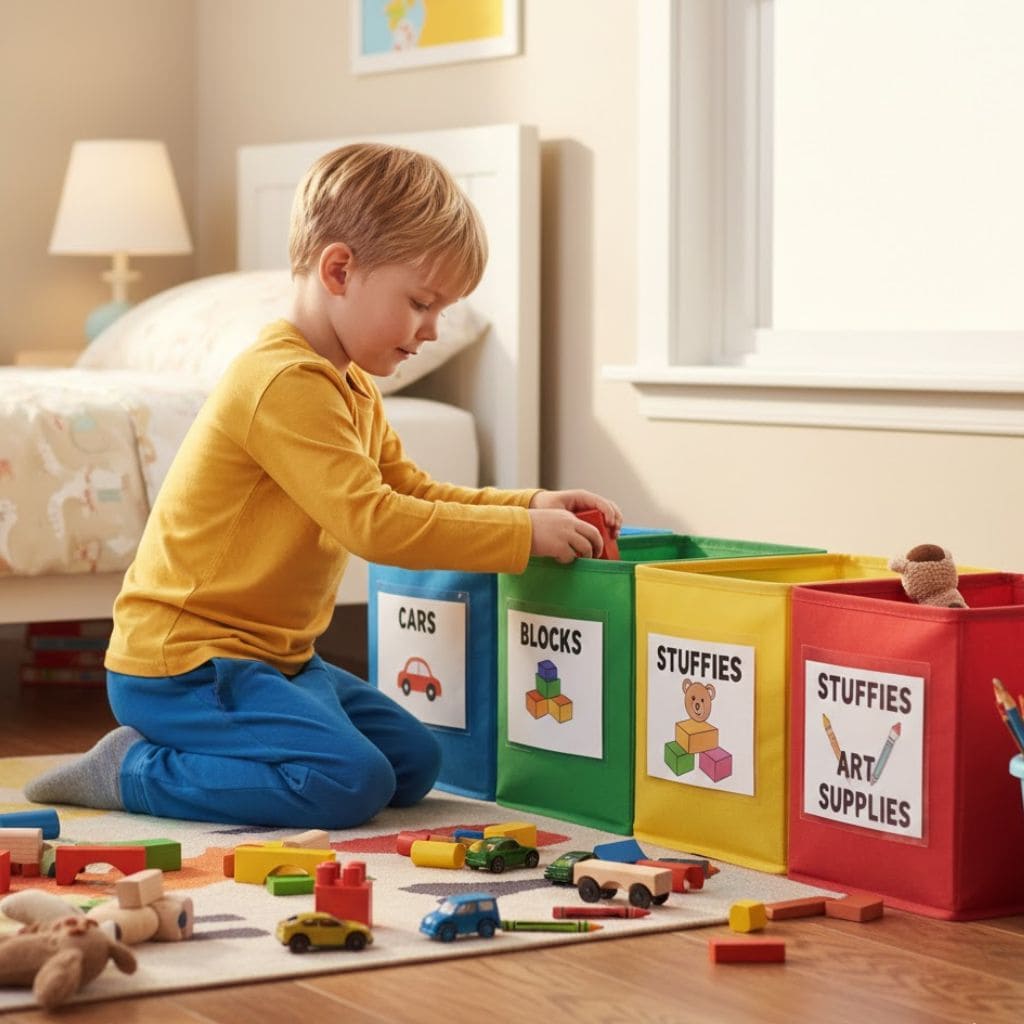
Before bedtime, we follow a consistent clean-up routine. Instead of cleaning while he watches, I involve him fully.
I created labeled bins with pictures: one for cars, one for blocks, one for stuffed animals, and one for art supplies. The visual cues help him remember where each item belongs.
Now, if he finishes playing with building blocks, he often begins sorting them without prompting.
He understands that cleaning is not punishment, it is part of responsibility. Occasionally, I hear him say quietly to himself, “Cars go here,” as he organizes.
Preparing Simple Snacks
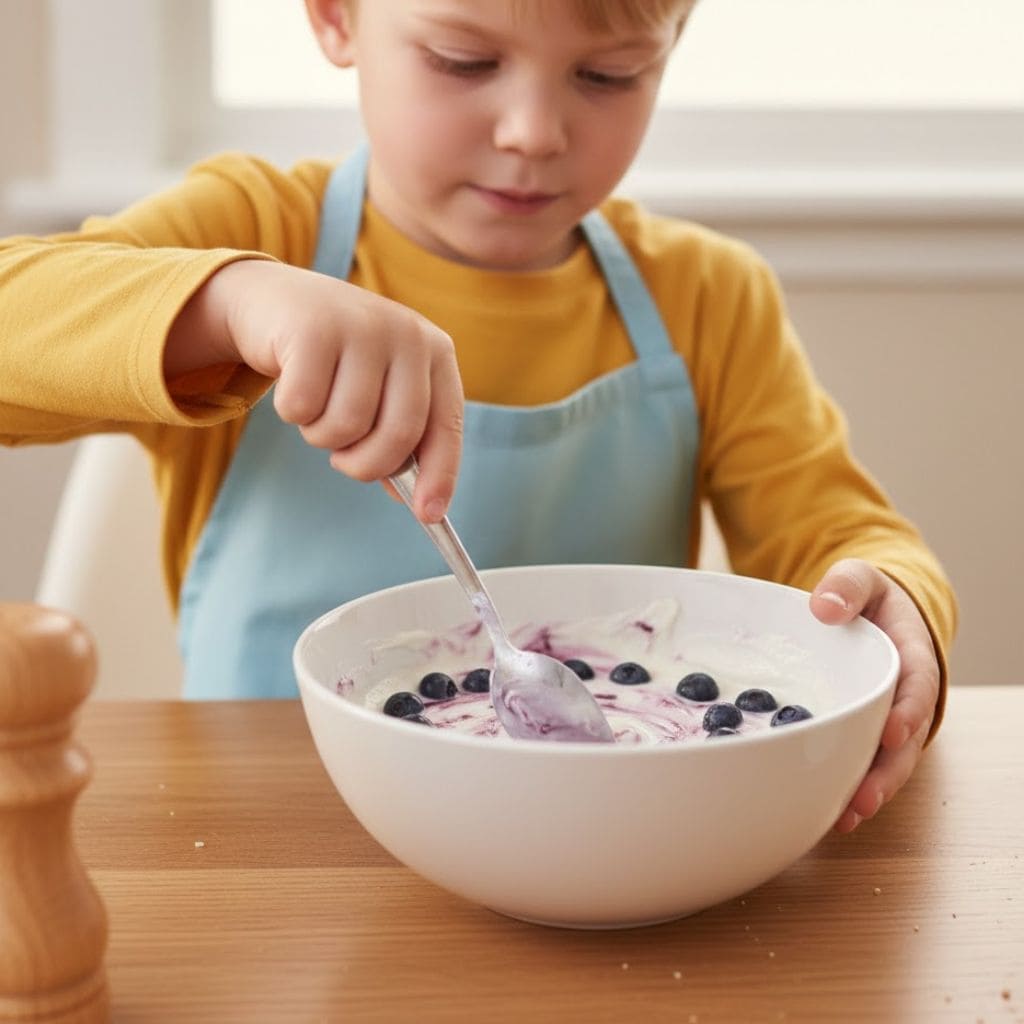
Under supervision, William can now prepare simple snacks. He washes grapes carefully in a colander and places them in a bowl.
Next, he spreads peanut butter on bread using a child-safe butter knife. He can peel a banana and place the peel directly into the trash without being reminded.
Last week, he surprised me by asking if he could make his own yogurt bowl.
I handed him a small container of plain yogurt and let him spoon it into a bowl. He added blueberries carefully and stirred slowly.
Managing Small Emotions
Perhaps the most important independence skill he is learning is emotional regulation.
At the park, if another child refuses to share a toy, I encourage him to use words instead of tears. I ask him to tell me how he feels before I intervene.
He is not perfect at this, but progress is visible. Recently, instead of crying immediately, he said, “I feel upset because I wanted that ball.”
What I Am Teaching Him Now
Independence does not stop at feeding the dog or cleaning toys.
I am currently teaching him to make his bed in a simple way by pulling up his blanket and straightening his pillow. And I am guiding him to place his shoes neatly near the door when he comes inside.
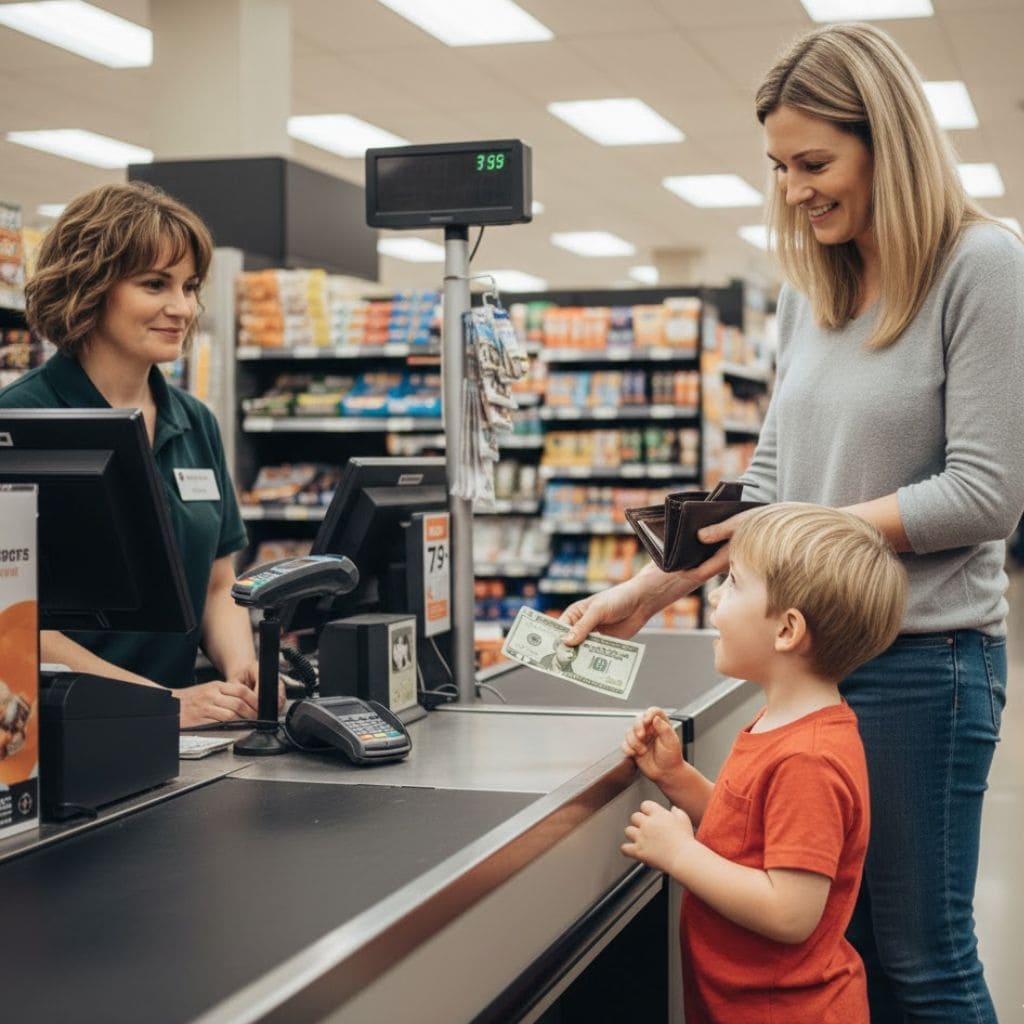
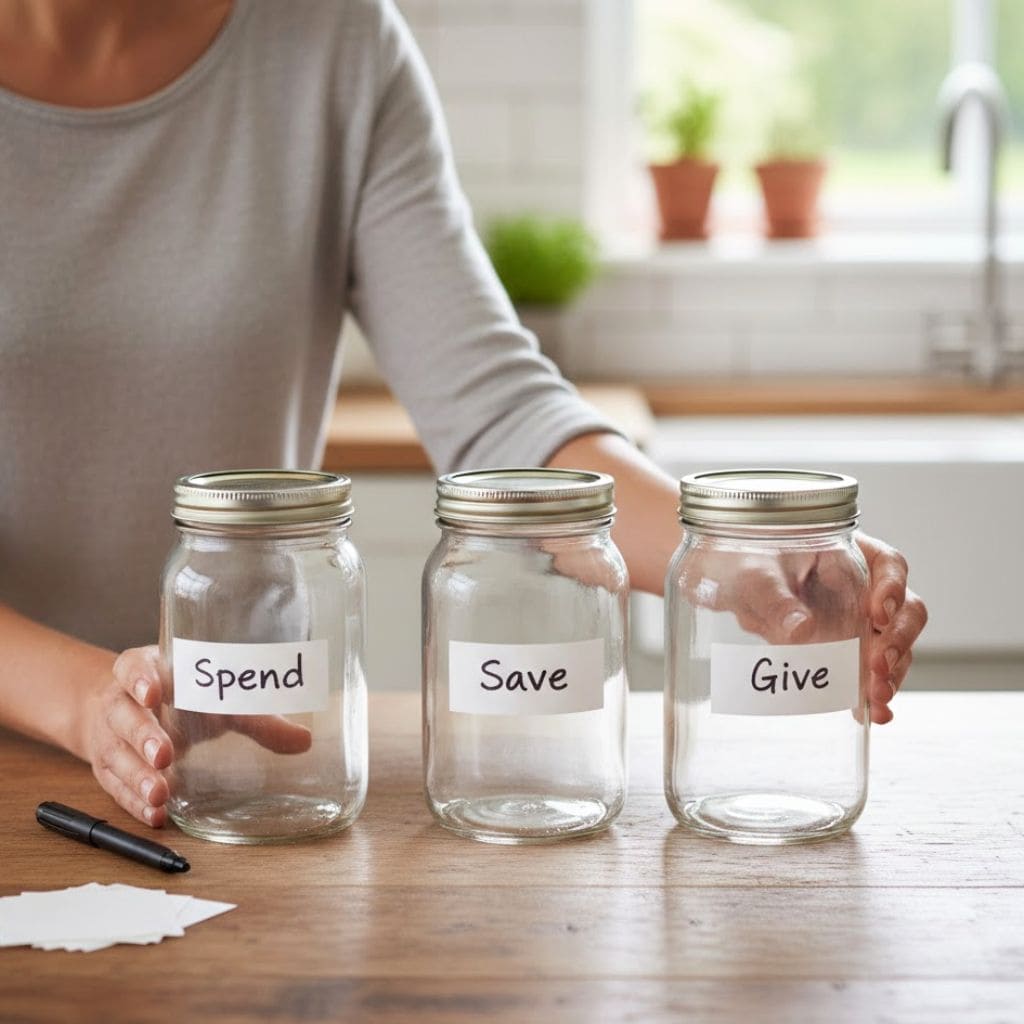
We are also practicing basic money awareness. He counts coins slowly and understands that saving requires patience. These small lessons prepare him for larger responsibilities later.