Last Sunday My Son Ate Grapes Before We Paid
Two weeks ago, on a Sunday afternoon, William and I drove to the Walmart Supercenter on Maplewood Drive here in Missouri, the one with the wide parking lot and the bakery smell that somehow reaches you before the sliding doors even open.
Sundays are usually my preparation days. I review our meal plan, restock fresh produce, and make sure the fridge is ready for the busy week ahead.
I briefly considered going alone because grocery shopping is faster without a four year old, but the thought of leaving William at home by himself was not an option. He is still little, and my instinct as a mother is strong.

William is generally a cooperative child. He understands rules and usually follows them.
He holds my hand when we cross the parking lot, says “excuse me” when someone blocks the aisle, and reminds me not to forget his favorite yogurt.
I have grown used to feeling confident taking him into public spaces because he listens most of the time. Of course, listening and resisting temptation are two very different skills at four years old.

As we entered the store, I lifted him into the child seat of the shopping cart and fastened the safety strap across his waist.
His sneakers bounced lightly against the metal as he looked around with bright curiosity.
The fluorescent lights, the colorful displays, and the movement of other shoppers always seem to energize him.
We began in the produce section, which is my favorite part of the store. The vegetables were lined up in neat rows, and the automatic mist drifted across the leafy greens every few minutes.
I handed William our folded grocery list and told him he was my assistant manager.
He takes that role very seriously. He pointed at carrots and announced, “We need these,” as if he had memorized the menu.
Before we reached the fruit display, I gently reminded him of our usual rule.
I told him that we only look at food in the store and that we always pay before eating anything. He nodded in agreement, his expression serious and confident.
The Moment I Turned Around
The grapes were stacked high in open plastic bags, green clusters glistening under the lights. They looked especially fresh that day.
William leaned slightly forward in his seat, staring at them with open fascination. I noticed his interest, but I did not feel concerned. He had never tried to take food before.
While he admired the fruit, I focused on choosing vegetables for the week. I examined zucchini for firmness, compared the color of bell peppers, and debated between broccoli and asparagus.
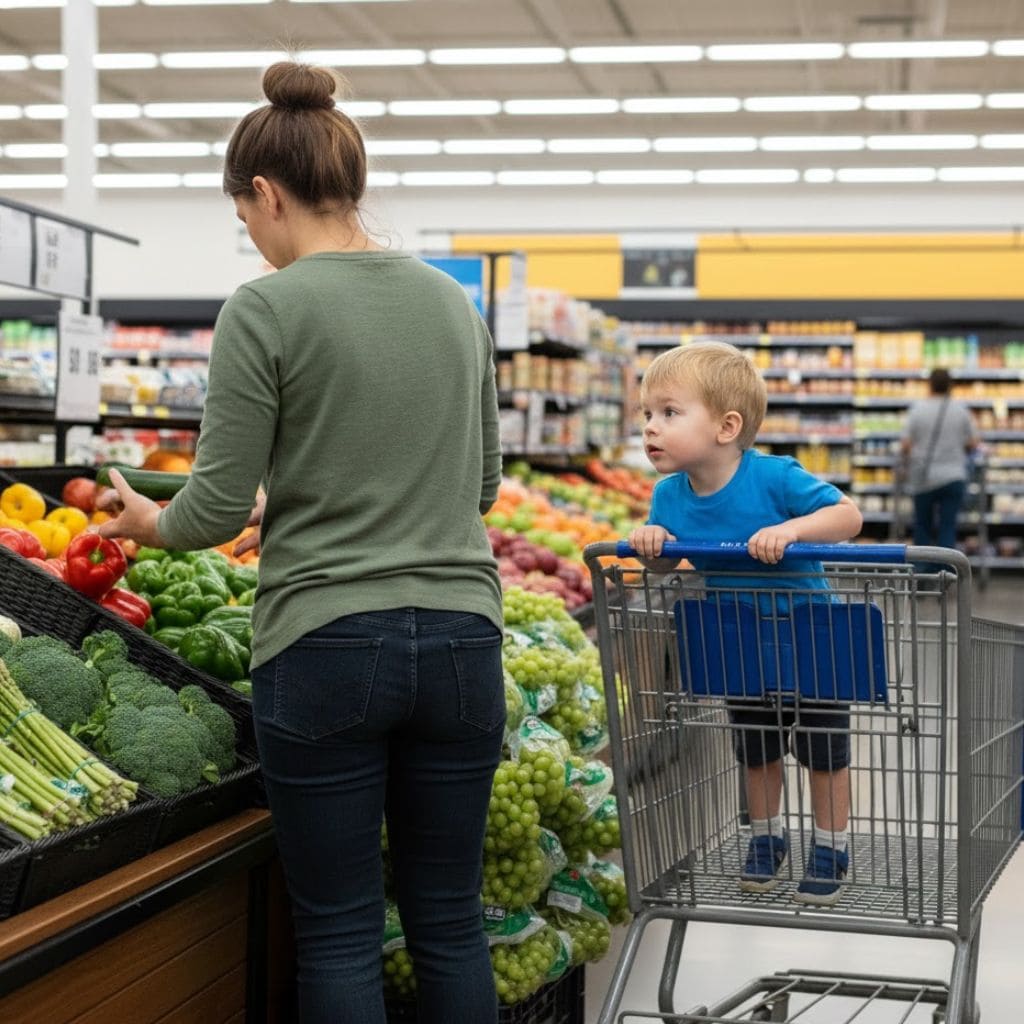
A brief silence settled behind me. It was the kind of silence that makes a parent’s instincts quietly alert.
When I turned around, I saw William sitting very still with his lips pressed together. His cheeks looked slightly rounded. A faint trace of grape juice shone near the corner of his mouth.
I stepped closer and asked him calmly how many grapes he had eaten. After a short pause, he lifted two fingers in the air and whispered, “Two.”
In that instant, I felt a mix of surprise and disbelief. I had seen short videos online of children secretly tasting grapes in supermarkets, and I always assumed that kind of situation would not happen to me.
Yet here I was, standing beside the grape display, realizing my own child had done exactly that.
Choosing Calm Over Embarrassment
My first reaction rose quickly inside me. I felt embarrassed at the possibility that someone might have seen him. I felt disappointed because I had just reminded him of our rule.
For a brief second, I imagined responding sharply. Instead, I took a slow breath.
William is four years old. He did not act out of defiance or dishonesty in a calculated way. He acted out of impulse and curiosity. The grapes were right there, close enough to reach.
I bent down so we were at eye level. I explained that food in the store belongs to the store until we pay for it.
I told him that taking something without paying is not honest, even if it seems small. I spoke steadily and clearly, making sure he understood the meaning rather than just hearing the words.
He looked down and admitted that he felt hungry and that the grapes looked sweet. His voice sounded sincere, not defensive.
I acknowledged his hunger while explaining that we could always ask before eating. I wanted him to feel guided, not shamed. Children learn far more from calm correction than from raised voices.
Turning a Mistake Into a Teachable Moment
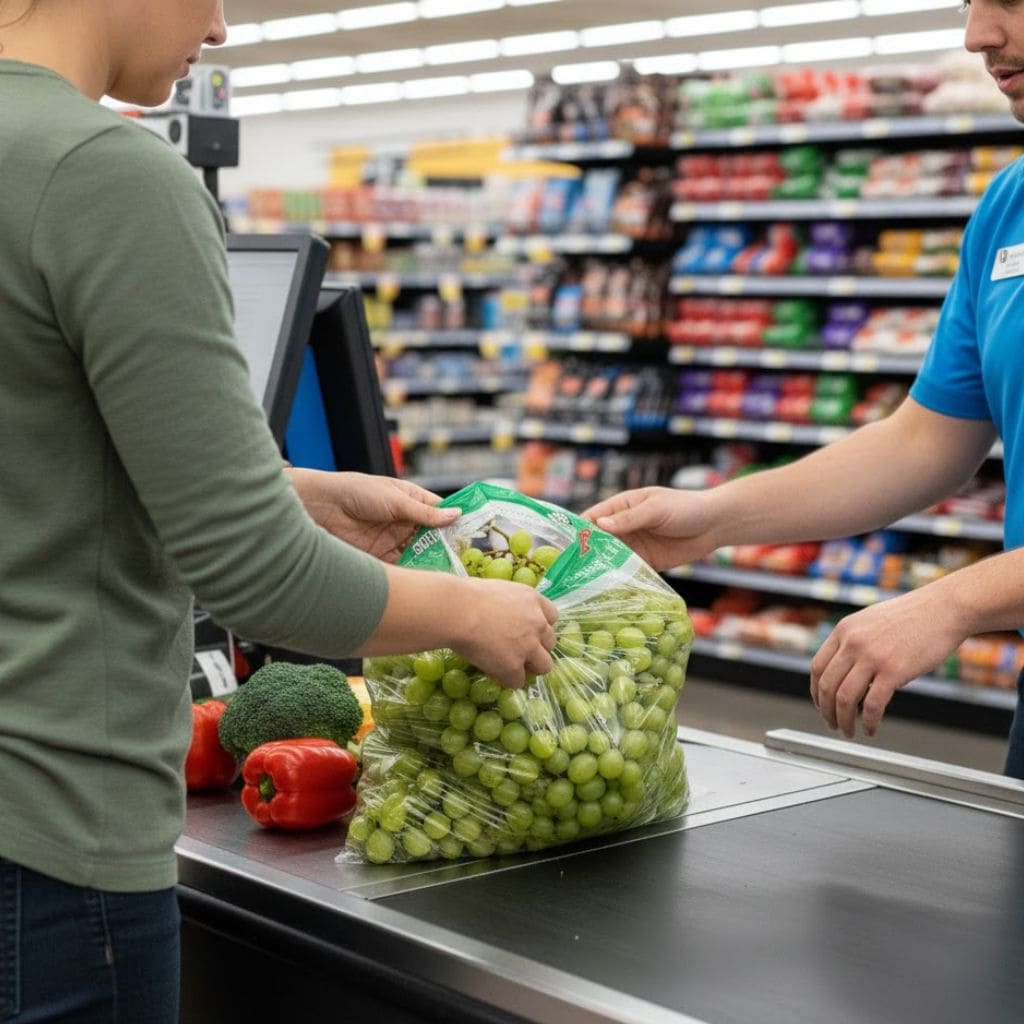
Rather than pretending nothing happened, I placed a full bag of grapes into our cart. I told him that we were going to buy them properly.
As we continued shopping, he grew quieter, which told me he was processing what had happened.
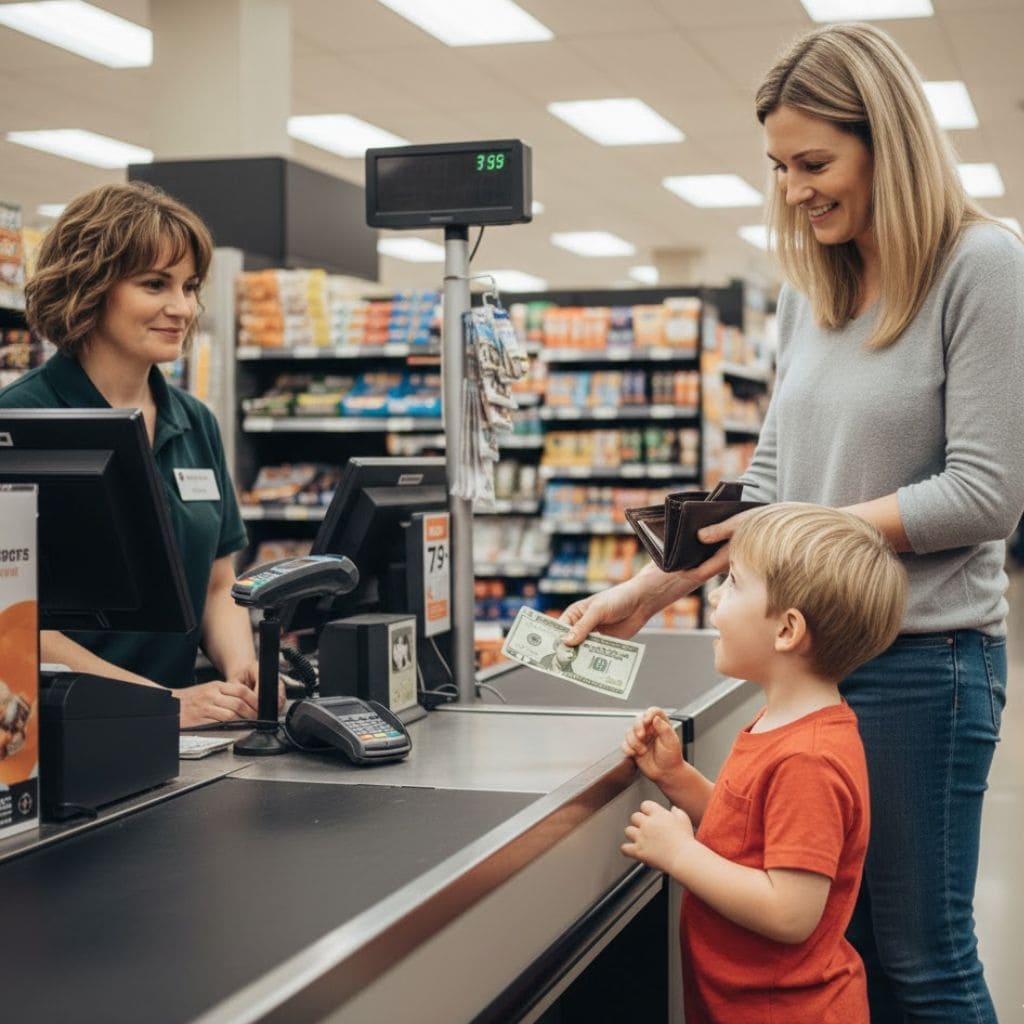
At checkout, I deliberately placed the grapes on the conveyor belt first. William watched closely as the cashier scanned the barcode.
The beep of the scanner felt symbolic at that moment. When I paid and received the receipt, I handed William a grape and told him that now it belonged to us.
The small smile that spread across his face felt relieved rather than excited. He understood the difference between taking and paying.
On the drive home, I gently revisited the conversation. I told him that everyone makes mistakes and that learning from them matters more than pretending they never happened.
He promised he would not eat store food again without asking.
Later that evening, as I washed the grapes in the sink, he stood beside me and asked carefully if he could have one.
What That Day Taught Me About Parenting
That Sunday reminded me how quickly ordinary errands can turn into defining parenting moments.
Discipline does not always arrive in dramatic situations. Often, it happens quietly between vegetable bins and fruit displays.
I realized that my reaction mattered more than the two grapes. If I had responded with anger, he might have focused on my tone rather than the lesson.
By staying calm, I allowed him to absorb the message about honesty and ownership.
Raising a child means repeating lessons about integrity again and again in everyday settings. It requires patience, even when embarrassment or frustration rises quickly.
Two grapes cost very little. The conversation about honesty, respect, and responsibility was worth far more than the price printed on the receipt.
As a single mom, I often feel the weight of being the only adult guiding him through these situations.
Moments like this reassure me that steady correction, clear explanation, and consistent modeling truly shape character over time.