I Stopped Buying Every Trending Beauty Product
Two years ago, I was still very easily influenced by beauty trends. I would not describe myself as careless, but I was curious, and curiosity mixed with insecurity can be expensive.
At that time, I was working full-time, raising William, and trying to maintain some sense of self-care.
When you are tired and slightly dissatisfied with your skin, the promise of transformation becomes very appealing.
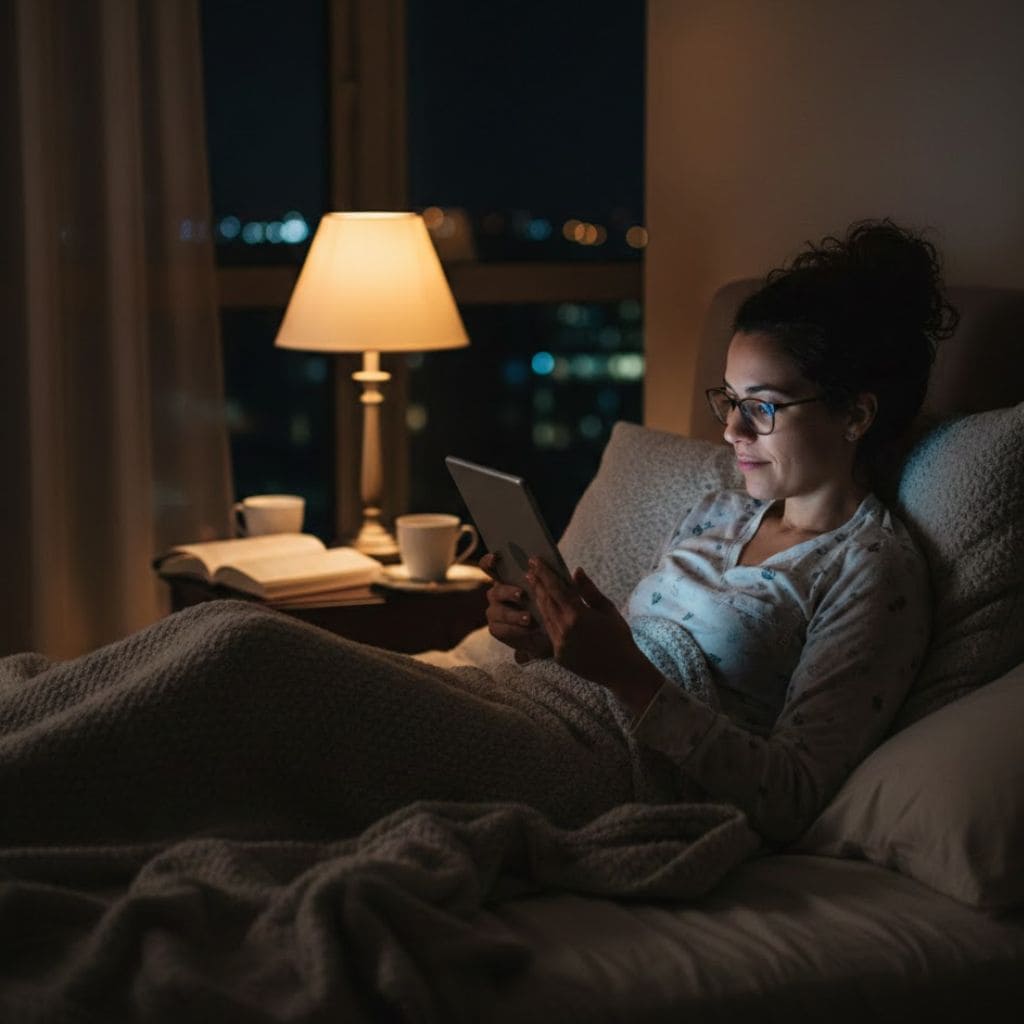
One evening, after William had gone to sleep, I was lying on the couch scrolling through Instagram.
It was around 10:15 p.m., and I remember the house being completely quiet. I came across a post from an influencer I had been following for several months.
She had about 300,000 followers, and her content was always polished with soft neutral backgrounds, glowing skin, minimalist makeup, and a clean aesthetic.
That night, she introduced what she described as a “clinical-grade resurfacing serum” that completely changed her skin in two weeks.
The Product That Looked Like a Miracle
The bottle was small, frosted glass with a silver dropper cap, photographed against a beige marble countertop with morning light streaming in.
Her caption described how it reduced pores, smoothed texture, and brightened dull skin. She included a before-and-after photo showing visibly smoother cheeks and a more even tone.
What truly convinced me, however, were the comments. There were hundreds of them.
“I ordered immediately!”
“My skin is glowing too!”
“This fixed my acne scars!”
As I scrolled, the praise felt endless. It created a sense of certainty that the product must be effective.
She also mentioned a limited-time discount code that would expire in 24 hours, which subtly added pressure.
Without thinking too deeply, I clicked the link and placed an order. The price was $68, plus shipping, for a bottle that looked smaller than my palm.
The Arrival and First Impressions
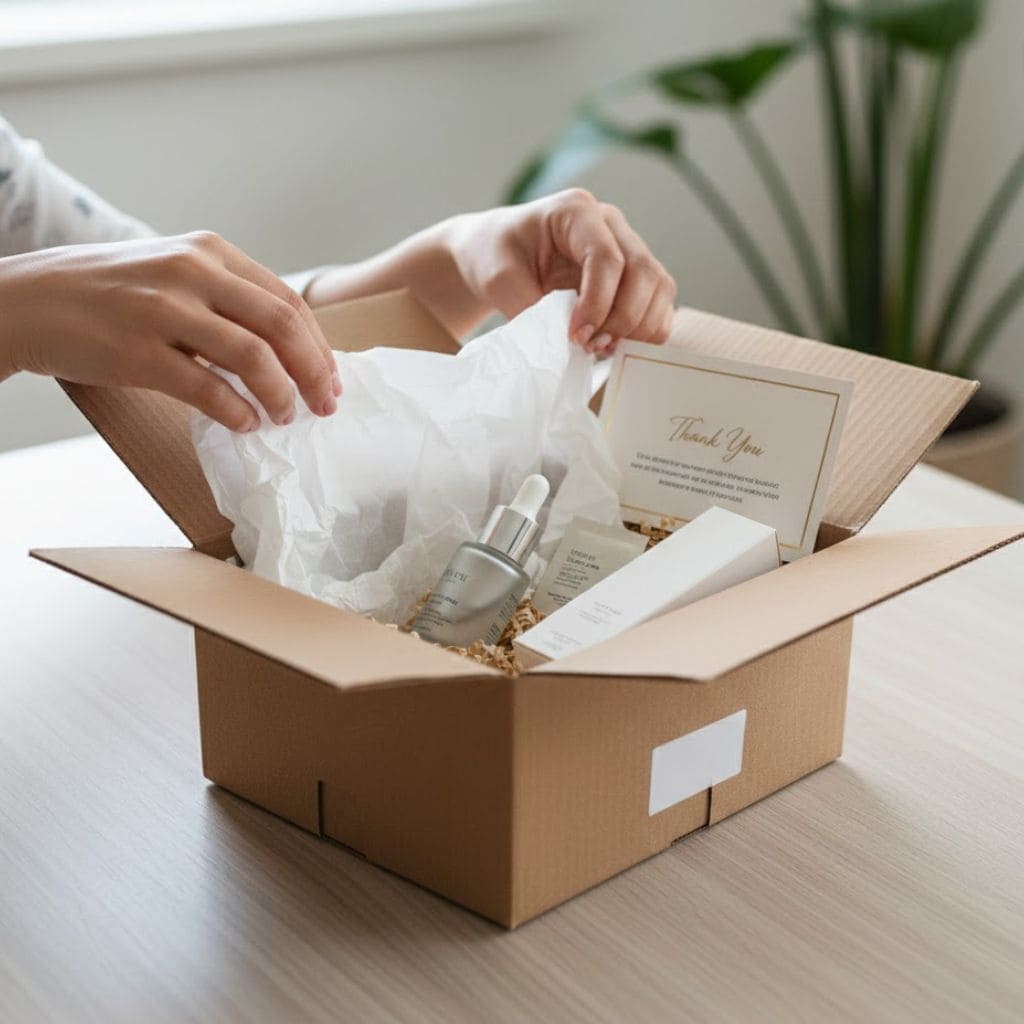
Five days later, a sleek white box arrived at my door. Inside was carefully wrapped packaging, tissue paper, a thank-you card, and a small sample sachet.
The presentation was impressive, and it felt luxurious.
That night, after cleansing my face, I applied three drops of the serum as instructed.
The texture was lightweight but slightly sticky, and there was a noticeable sharp scent. Within minutes, my skin began to tingle.
At first, I interpreted that sensation as effectiveness. I convinced myself that strong products must feel active.
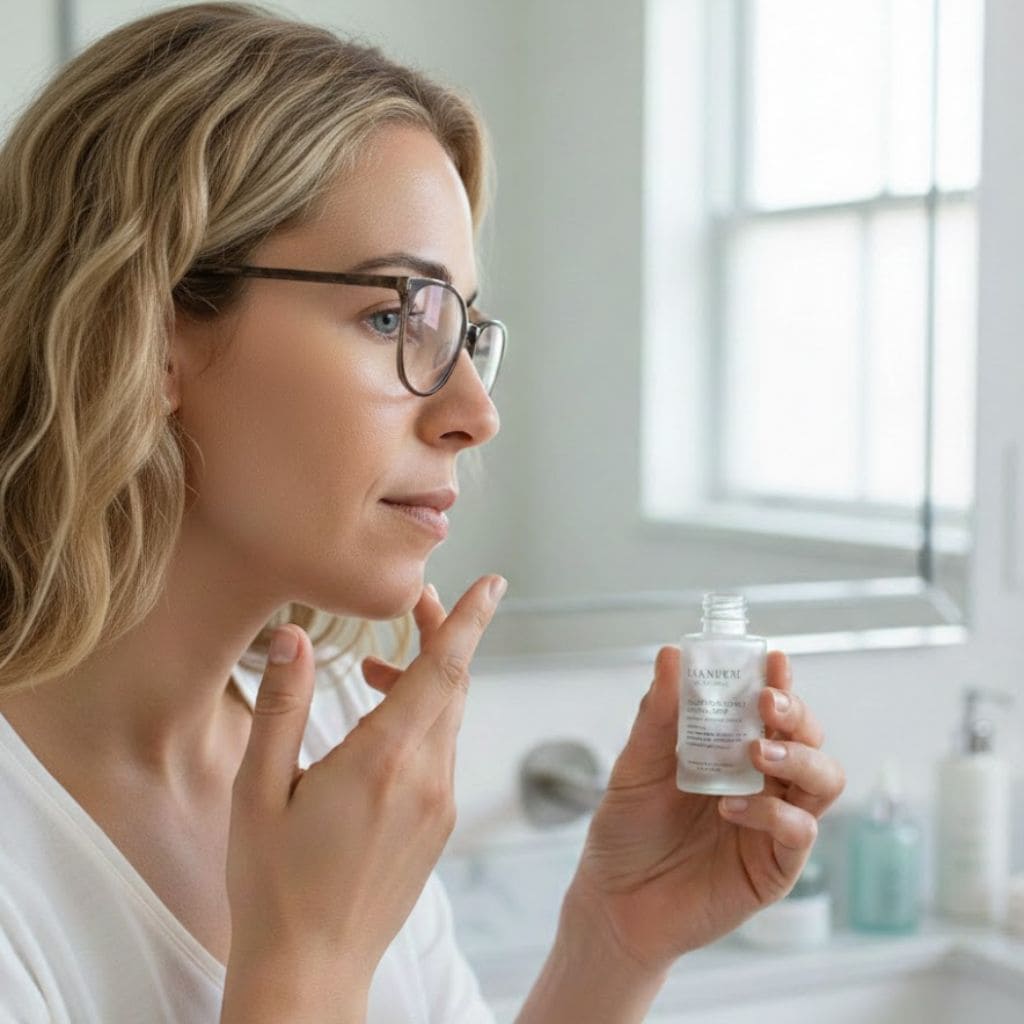
For the next several days, I applied it nightly. By the fourth day, I noticed small red patches on my cheeks and along my jawline.
My skin felt tight and slightly irritated, but I had read online about purging phases, so I told myself it was normal.
By the end of the second week, my skin was worse than when I started.
The redness had increased, and I developed small breakouts around my chin. Instead of smooth and radiant, my skin looked inflamed.
Looking Deeper Into the Praise
One evening, frustrated, I returned to her Instagram post and read the comments more carefully. This time, I noticed something I had overlooked before.
Many of the most enthusiastic comments came from accounts with very few posts or newly created profiles. Some usernames looked random, with numbers and minimal personal content.
I also noticed the hashtag “#ad” buried at the bottom of her caption in smaller text.
That realization did not mean she was dishonest, but it changed how I interpreted the excitement. It was a sponsored collaboration, not a purely personal recommendation.
I began searching for independent reviews outside social media. On skincare forums, I found mixed feedback.
Some users experienced irritation similar to mine. Others mentioned that the active ingredients were quite strong and not suitable for daily use, especially for sensitive skin.
The Environmental Reality I Could Not Ignore
Around the same time, I read a statistic that stayed with me.
An estimated 120 billion units of cosmetics packaging are produced annually, and approximately 70 percent of the industry’s waste is attributed to packaging alone, according to Forbes.
I looked at that half-used frosted glass bottle sitting in my bathroom and thought about the box, the tissue paper, the plastic seal, and the shipping materials that accompanied it.
All of that waste existed because I made a quick decision based on excitement and social proof.
What I Changed After That Experience
After that serum experience, I decided to approach beauty purchases differently.
I stopped buying products immediately after seeing them online. Instead, I gave myself at least thirty days before considering any new item. In most cases, the urgency faded.
I also simplified my routine significantly. I returned to the cleanser and moisturizer I had used for years without issue.
I stayed loyal to a mascara that never smudged and a lip balm that consistently kept my lips comfortable. Instead of layering multiple actives, I focused on gentle consistency.
After that, my skin responded positively, the redness reduced, and the breakouts subsided. I realized that my skin preferred stability over experimentation.
Read more: My 10-Minute Morning Makeup Routine Before School Drop-Off
The Lesson That Stays With Me
The experience taught me something deeper than “don’t trust influencers.”
It taught me how powerful marketing can be when combined with beautiful lighting, persuasive captions, and enthusiastic comments.
The truth is that not every trending product is necessary, not every glow is real, and not every rave review reflects long-term results.
Now, when I see a new launch flooding my feed, I pause.
I no longer want to contribute unnecessarily to overconsumption, and I no longer want my skin to become a testing ground for every viral promise.
Loyalty to products that have worked for me over the years feels calmer, wiser, and more sustainable.