I Started Teaching My Son About Money Before He Could Even Count Properly

As a financial consultant, I spend my weekdays talking to adults about retirement plans, credit scores, investment risks, emergency funds, and debt restructuring.
I sit across from people who are intelligent, hardworking, and responsible in many areas of their lives, yet they still struggle with money decisions that could have been avoided if they had learned simple habits earlier.
One pattern I notice often is this: many adults were never taught how money actually works.
They grew up thinking money simply appears when needed, or that credit cards are extensions of income, or that saving is something you do only when there is extra left over.
That misunderstanding follows them into adulthood, and sometimes into debt that takes years to untangle.
Because of this, I care deeply about teaching children financial awareness early, long before numbers become complicated.
I do not want William to grow up afraid of money or careless with it. I want him to see money as a tool, something that requires responsibility and intention.
William is only four years old. He cannot yet multiply or divide. He still counts on his fingers and sometimes skips numbers. But understanding money begins with habits and awareness.
Starting Simple: The Allowance Jar System

When William turned four, I introduced what we call our three jar system. I did not want to overwhelm him with complex explanations.
At his age, visual learning works best, so I chose clear plastic jars so he could physically see money accumulating.
On a Saturday afternoon, I sat at our kitchen table and labeled three jars:
- Spend
- Save
- Give
I explained each jar slowly, using examples he could relate to.
The Spend jar is for things he wants soon, like a small toy car or stickers.
The Save jar is for something bigger that takes time, like a larger toy or special item.
The Give jar is for sharing with others, whether it is donating to a cause or buying a small gift for someone.
Every week, William receives a small allowance of three dollars. I chose that amount intentionally because it divides easily across three jars, and it keeps the concept manageable.
He places one dollar into each jar himself. I let him physically drop the bills inside, and that action matters more than people realize.
The sound of the bill sliding into the jar makes the lesson tangible.
Teaching the Value of Waiting
One of the first real tests of this system came about a month after we started.
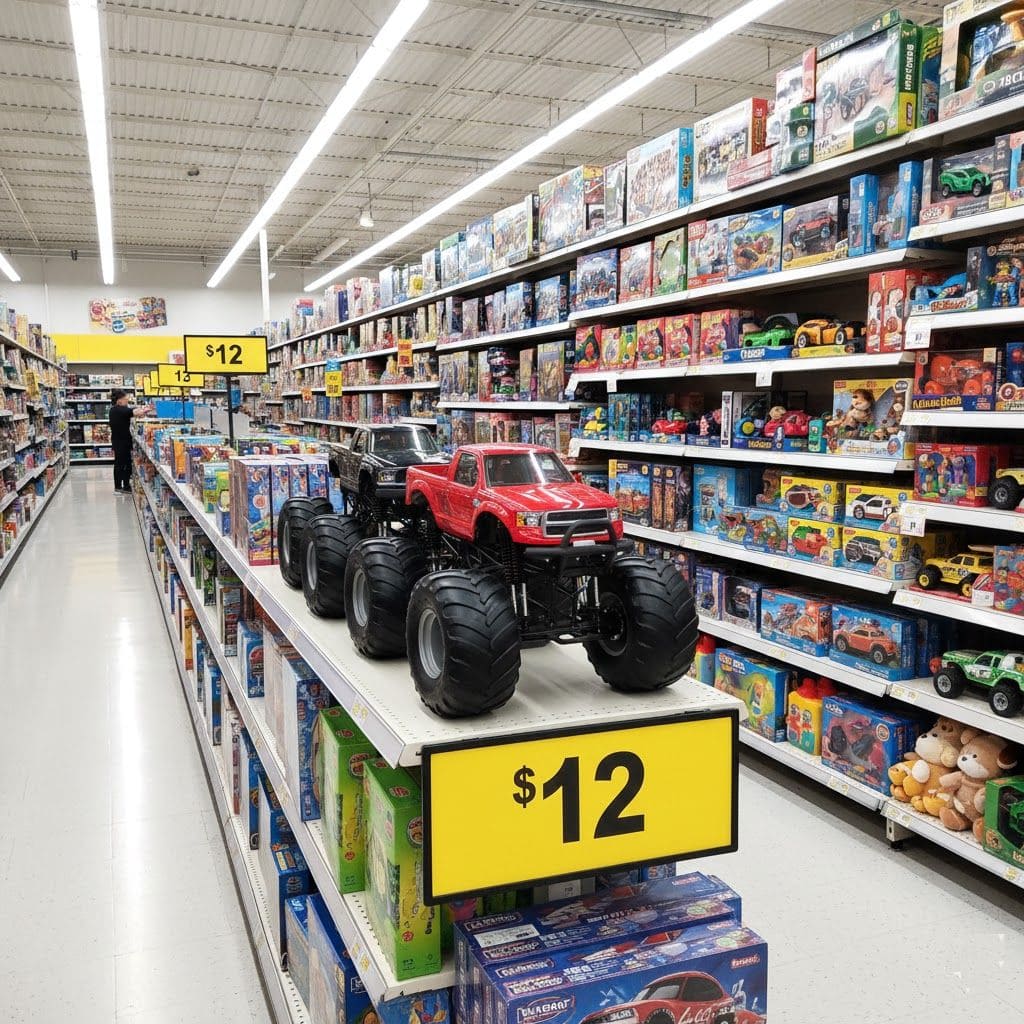
We were in the toy aisle at Walmart when William spotted a bright red monster truck priced at $12.
He immediately wanted it. In the past, he might have assumed I would either buy it or say no without further explanation.
Instead, I asked him how much he had in his Spend jar.
We went home and counted. He had five dollars in the Spend jar and seven dollars in the Save jar.
I explained that if he truly wanted the truck, he could combine his jars and make that choice himself. I did not force him either way, I wanted him to feel ownership over the decision.
He thought about it carefully. That evening, he decided to use his Save jar because he had been collecting for something special, and he felt the truck was worth it.
The following Sunday, we returned to the store, and he paid for the truck using his saved money. I let him hand the cash to the cashier.
Watching him understand that money leaves your hand when you purchase something was important. He saw that his jars were now empty.
For the next few weeks, when he saw another toy, he did not ask immediately. Instead, he would say, “I have to fill my jars again.”
Building Simple Money Habits
Beyond the jars, I try to weave money conversations into everyday life without making them heavy or stressful.
When we grocery shop, I occasionally show him price differences between brands. I explain why we sometimes choose one item over another.
I let him help scan items at self checkout and show him the total on the screen. I explain that money must match the total before we can leave.
I also talk openly about saving. When I transfer money into our savings account, I tell him that we are preparing for future needs.
I explain emergency funds in very basic language. I say things like, “We save money so we feel safe when something unexpected happens.”
Teaching Giving Alongside Saving

The Give jar has become one of my favorite parts of the system.
Once his Give jar reached ten dollars, I asked him where he would like to use it. He chose to buy dog food to donate to a local shelter because he loves animals.
We went together to purchase a bag of food and delivered it. I told him that money can help other people and animals. I want him to understand that wealth is not only about personal gain but also about generosity.
When he handed over the donation, he looked proud. That pride felt different from buying a toy.
Protecting Him From Future Debt Mentality
In my profession, I have seen how easily debt can grow when people spend without thinking.
I never speak about debt in a fearful way with William, but I do teach him that borrowing money means paying it back later.
When he once asked if he could borrow from next week’s allowance, I explained that borrowing means you owe yourself later, and that waiting might feel better than owing.
Then he decided to wait.
Why Starting Early Matters
Some people think four is too young to talk about money.
I disagree. Children at this age are forming beliefs about everything around them. If money remains a mysterious adult topic, they will create their own assumptions.
By introducing structured, positive habits early, I hope to normalize financial awareness in our home.
I want William to grow up seeing money as something that requires thought, patience, and planning.
I do not expect perfection. He will make impulsive choices sometimes.
He may regret spending on certain toys. Those experiences are valuable lessons when the amounts are small.