I Recently Tightened William’s Screen-Time
As William grows older, I’ve started noticing how quickly screens become part of his world. When he was three, television felt occasional and almost forgettable.
Now that he’s four, he recognizes streaming thumbnails, knows exactly which remote button opens YouTube Kids, and can describe entire storylines from memory.
I’m not someone who believes television is automatically harmful. There are educational cartoons, gentle story-based shows, and even nature programs that spark curiosity.
But over the past few months, I began noticing that screens were slowly shifting from occasional entertainment to default activity, especially on days when I was busy.
The Wednesday That Made Me Pause
It was Wednesday at 3:40 p.m. I had just picked William up from preschool, and I had an online financial consultation scheduled for 4:00 p.m. with a client.
These meetings require focus, so I cannot divide attention between investment strategy discussions and parenting at the same time.
Normally, on days like this, I allow one episode of a children’s show while I sit at the dining table with my laptop.
Our dining table is positioned so I can still see part of the living room, but not the television screen directly.
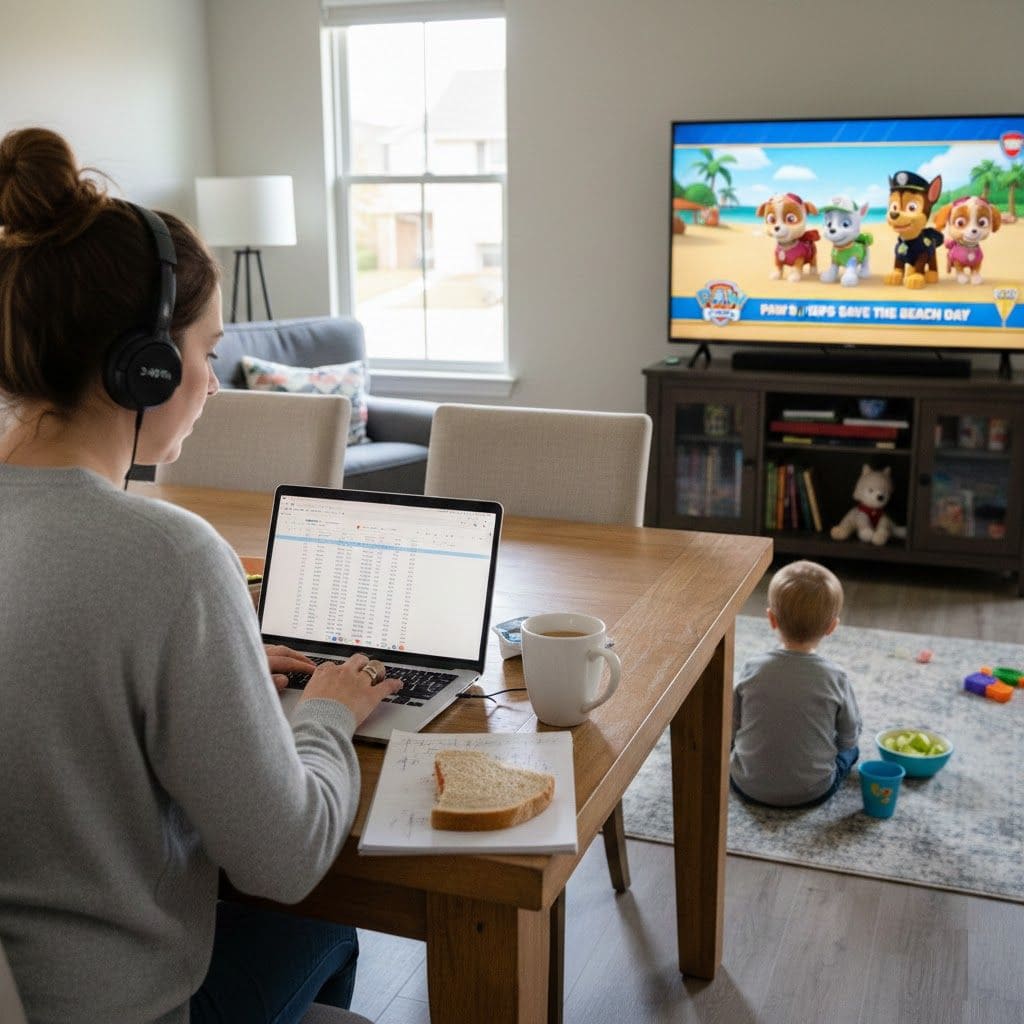
That afternoon, I prepared a small bowl of apple slices and a cup of water for him and turned on an episode of “Paw Patrol.” It’s one of his favorites.
The episode was titled “Pups Save the Beach Day.” It runs about 22 minutes and follows the familiar pattern: a problem appears, the pups organize, teamwork saves the day.
I knelt beside him before logging into my meeting and said clearly, “One episode while Mommy talks to her client. When it finishes, you play with your blocks or draw.”
He nodded, already absorbed by the animated rescue trucks.
At 4:00 p.m., I opened Zoom and began my meeting. I could hear the theme song in the background but tried to focus on my client’s questions about retirement planning.
Twenty-two minutes later, I heard the ending music, and a few seconds of silence followed.
Then another theme song began. William had picked up the remote and started a second episode.
What I Saw When I Walked In
My meeting ended at 4:50 p.m. I closed my laptop and walked into the living room quietly.
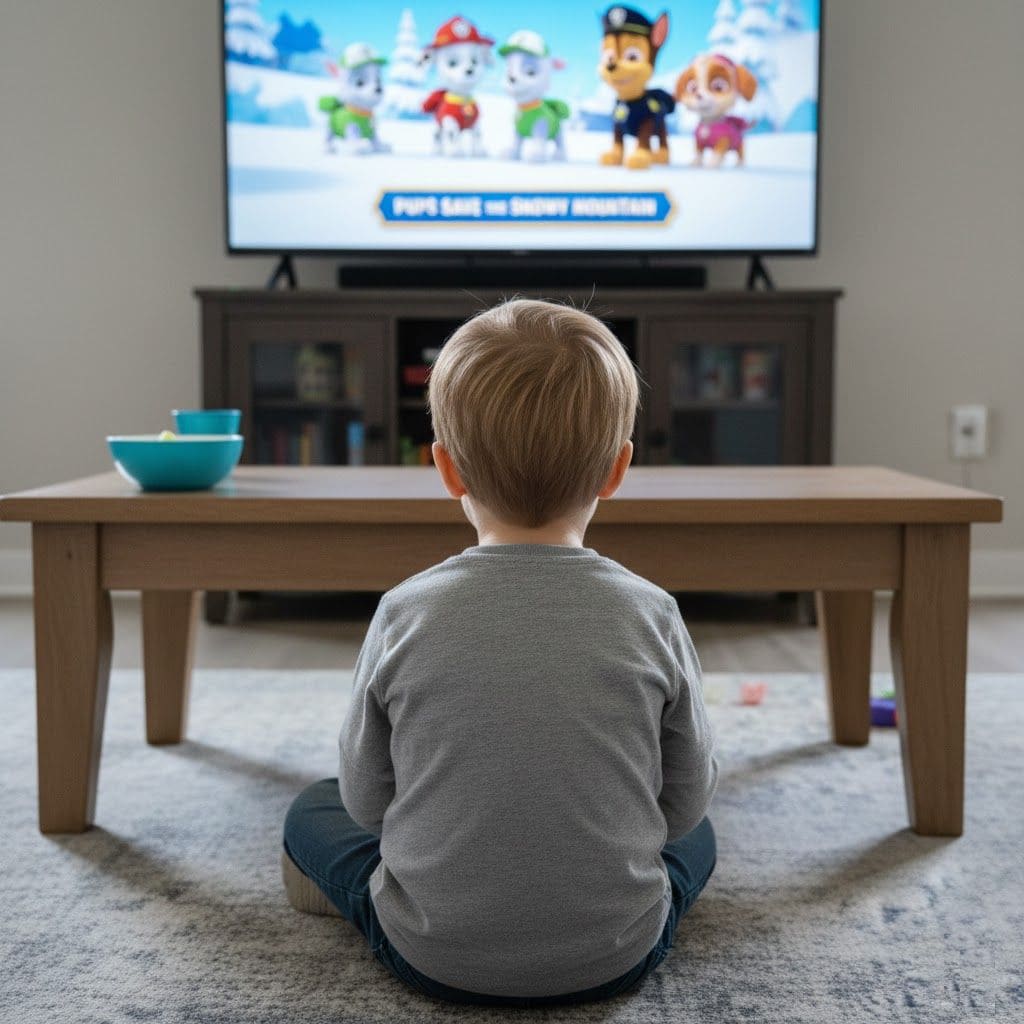
William was sitting much closer to the television than usual, knees tucked under him, eyes wide and unblinking.
The bowl of apple slices sat untouched on the coffee table. The second episode – “Pups Save the Snowy Mountain” – was halfway through.
His face looked different, not joyful, and not engaged in the playful way he looks when building blocks. It was the still, almost hypnotized expression children get after extended screen time.
I called his name once, then no response.
I called again, slightly louder. He blinked slowly, as if surfacing from underwater. Like other moms, I felt deeply unsettled.
The Conversation That Followed
I turned off the television gently. Then immediately, he protested. “I wasn’t done!”
I sat beside him and asked, “How many episodes did you watch?” He shrugged.
“Two,” I answered calmly.
He crossed his arms and said, “But I like it.”
And that was the key. He liked how it made him feel. The fast pace, bright colors, constant action, it pulls children in quickly.
I told him, “Liking something doesn’t mean we need a lot of it.” He didn’t fully understand. So I tried to explain in a way he could grasp.
“When you watch too much TV, your brain doesn’t get to practice thinking for itself. It just watches.”
He frowned slightly. It was not a dramatic tantrum, but I could see disappointment and frustration building. I realized that I had slowly allowed flexibility to become a habit.
The Reset I Put in Place
The next morning, I decided to make our screen-time limits clear and visible.
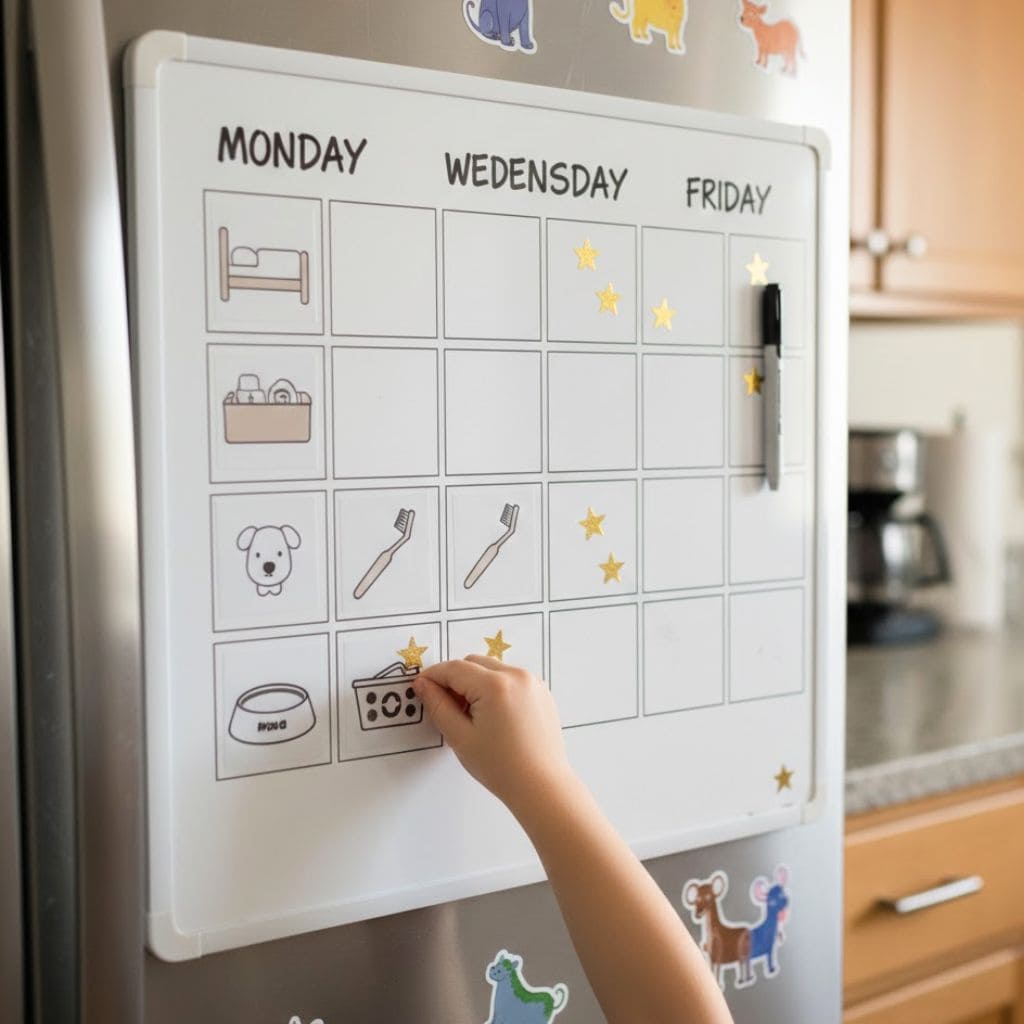
I wrote a simple chart and taped it beside his chore chart on the fridge. In large letters, I wrote:
“Screen Time Rules”
- Underneath, I listed:
- Weekdays: 30 minutes after preschool
- Weekends: 1 hour total
- Timer must be on
- TV turns off when timer rings
Instead of arguing in the moment, I wanted structure to speak for itself.
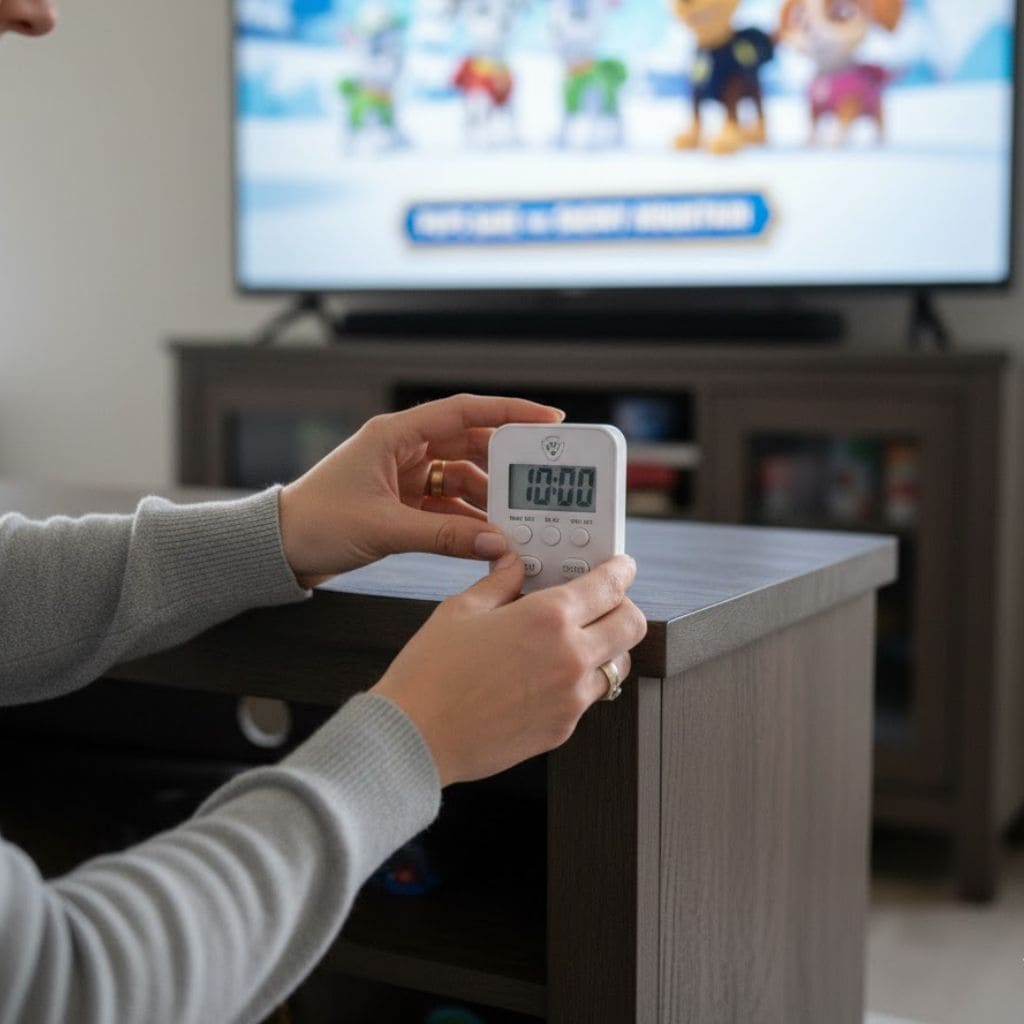
I also set up a small kitchen timer that sits on the coffee table when the television is on. I press 30 minutes, and he can see the numbers counting down.
Additionally, I prepared alternatives in advance. I placed a basket near the couch filled with coloring books, simple puzzles, and his favorite wooden building blocks.
I moved his blue soccer ball closer to the back door so outdoor play required less transition effort.
See also: Yes, My Fridge Is Covered in Papers of Chore Charts
His Reaction the First Few Days
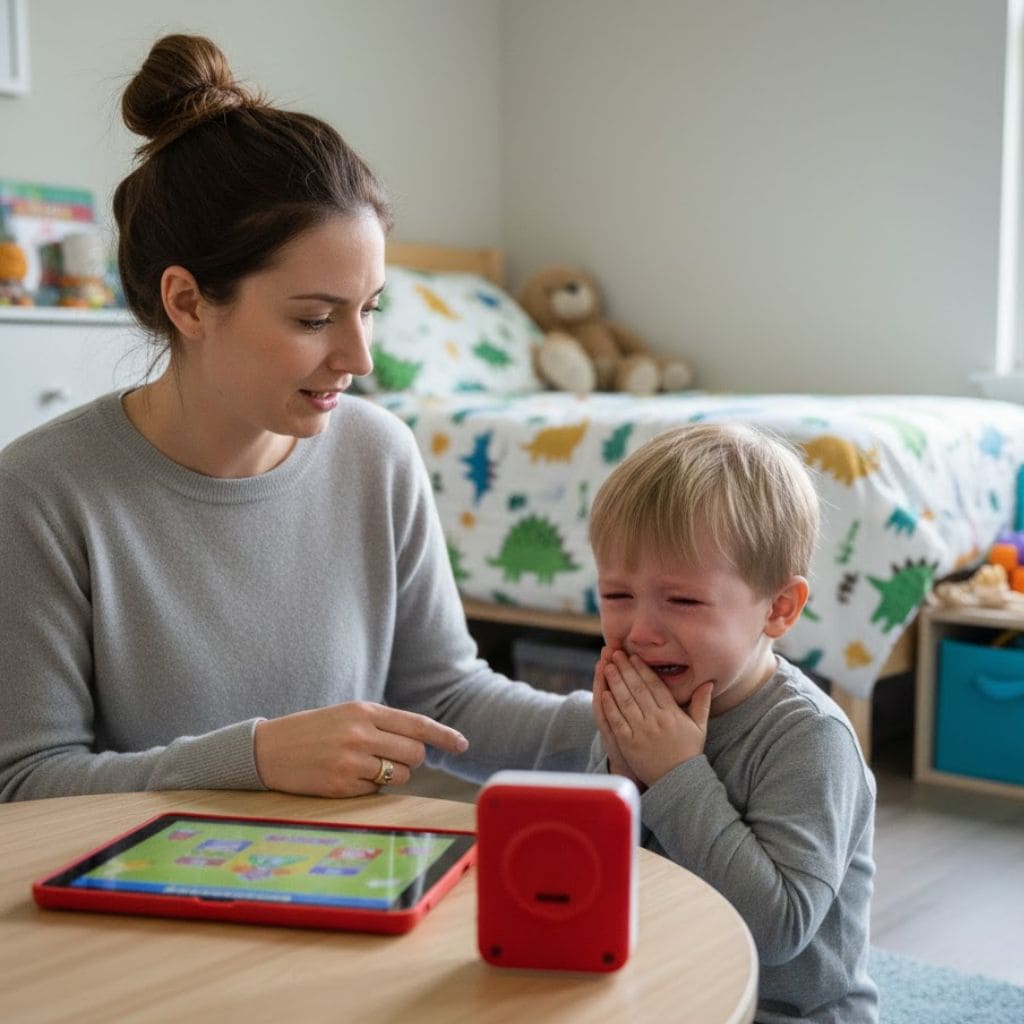
The first afternoon under the new rule was not smooth.
When the timer rang at exactly 30 minutes, he immediately asked, “One more?”
I shook my head gently and said, “The rule is the rule.” He cried for about five minutes, not screaming, but clearly upset.
Instead of distracting him quickly, I sat beside him and let him process it. After a few minutes, I said, “Your brain gets stronger when you play.”
I handed him a small wooden puzzle and asked if he could finish it before I folded the laundry. Within ten minutes, he was fully engaged again.
The second day, he still protested slightly. By the fourth day, he turned off the TV himself when the timer rang.
What I’ve Noticed Since Limiting It
In just one week, I’ve noticed meaningful differences. He transitions more easily because the boundary is predictable.
Also, he asks less frequently for random television during the day. He spends longer stretches building with blocks or kicking the ball in the backyard.
Most importantly, when I have online meetings now, I set expectations clearly before starting.
“Today you have one episode while I talk to my client. When it ends, you play quietly.”
My Opinions About Screen Times
I am not against technology, and I understand that screens are part of modern childhood.
William will grow up using computers in school and eventually learning digital skills like everyone else. My concern is that the habit that can quietly form when they become the easiest solution.
When I saw him that afternoon sitting too close to the television, completely absorbed and barely responding when I called his name, it made me pause.
If I allow that to happen regularly, I know what could follow. He would move less, and at four years old, his body needs running, climbing, balancing, and outdoor play far more than sitting still.
Physical movement supports not only strength but also mood and sleep, and I have noticed that on heavier screen days, bedtime becomes more restless.
I also think about attention span. Fast-paced cartoons switch scenes quickly, keeping children constantly stimulated.
However, our real life does not move that way. Books require patience, and building blocks require focus.
If he becomes too used to rapid entertainment, slower, meaningful activities might start to feel frustrating.
Limiting screen time is about protecting his development physically, mentally, and emotionally while he is still so young and forming habits that may stay with him for years.