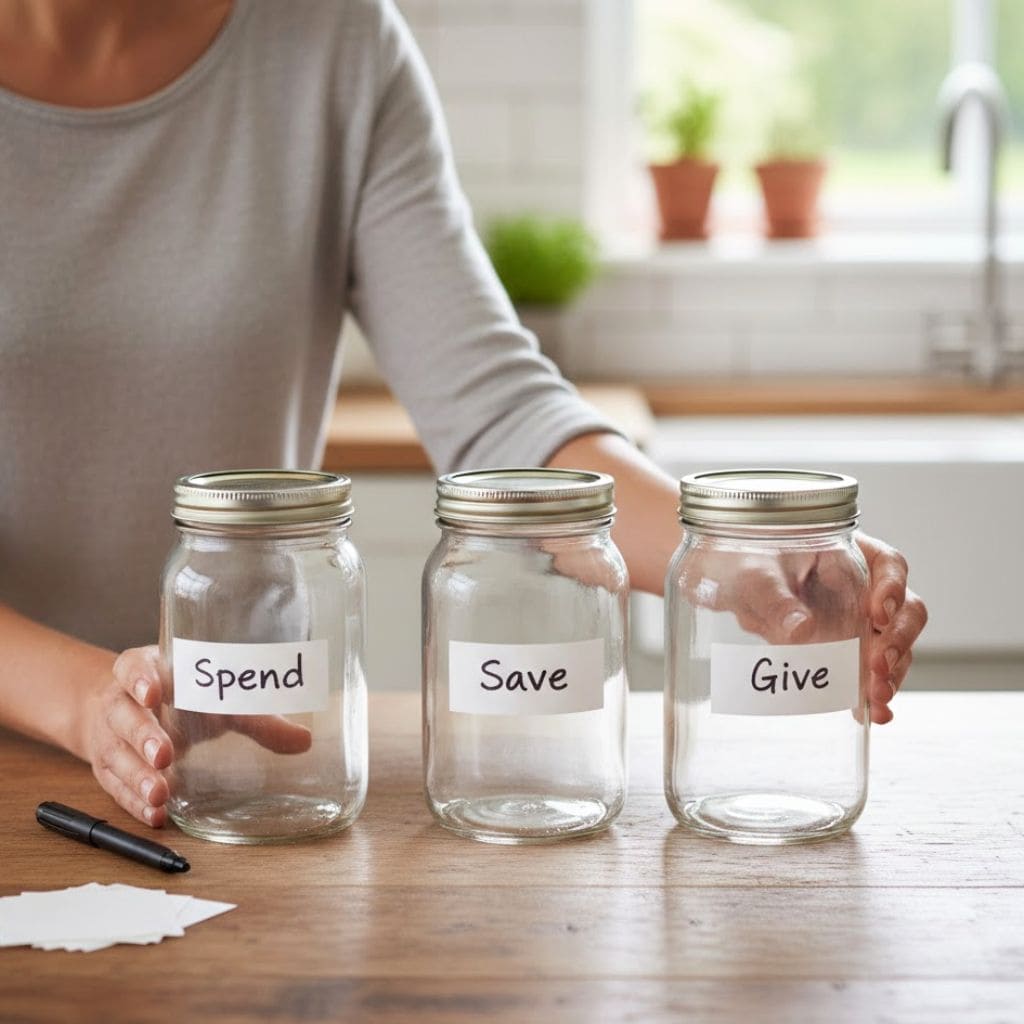
Yes, My Fridge Is Covered in Papers of Chore Charts
If you ever walk into my kitchen and glance at my refrigerator, you might think I’m running a small elementary classroom from home.
There are colorful papers taped across the top half of the fridge door, tiny laminated pictures stuck with magnets, and rows of gold star stickers carefully lined up in boxes.
It looks busy but that refrigerator door is one of the most effective parenting tools I have created for William.
I built this system because I was tired of repeating myself and tired of feeling frustrated at the end of every evening.
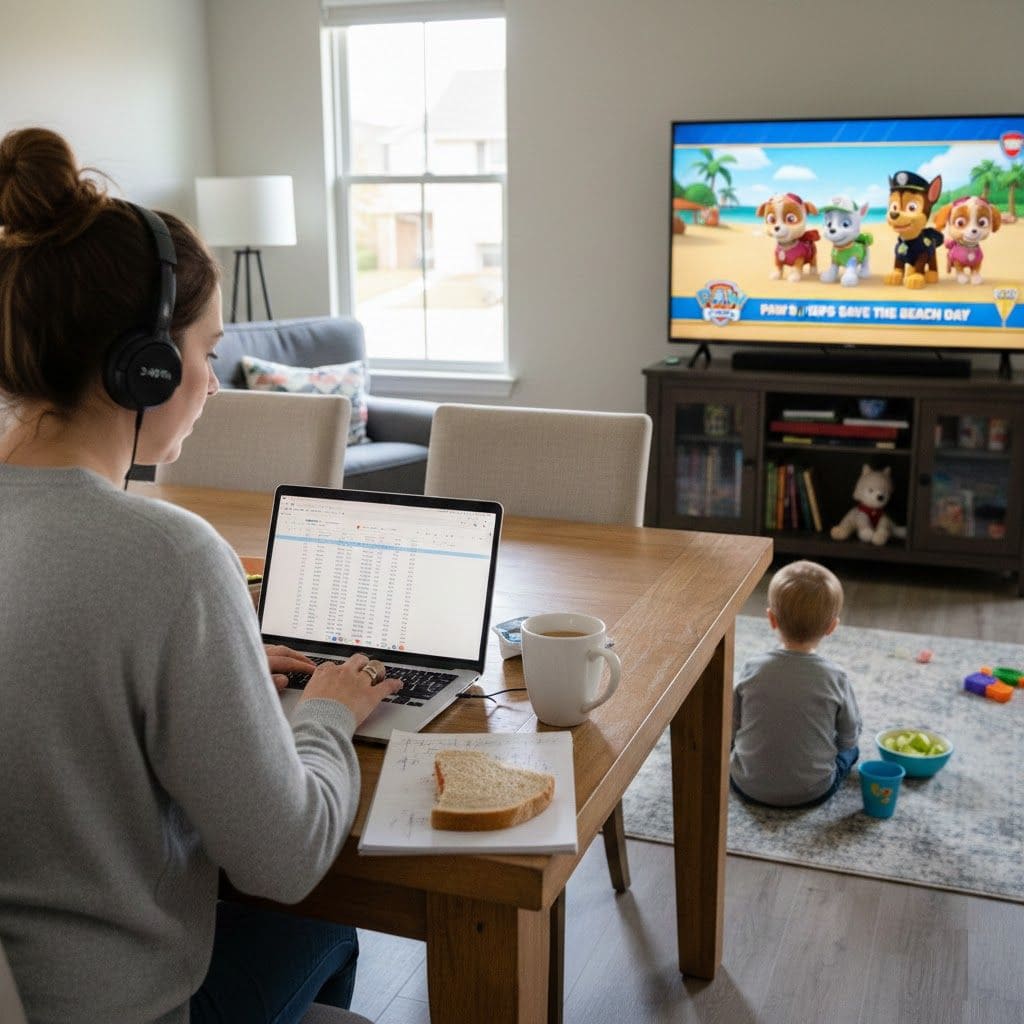
William is four years old. He is capable of helping, but he does not read yet.
Saying, “Please clean your toys and feed the dog before bath time,” often resulted in half-finished tasks, distractions, and me stepping in to complete everything myself.
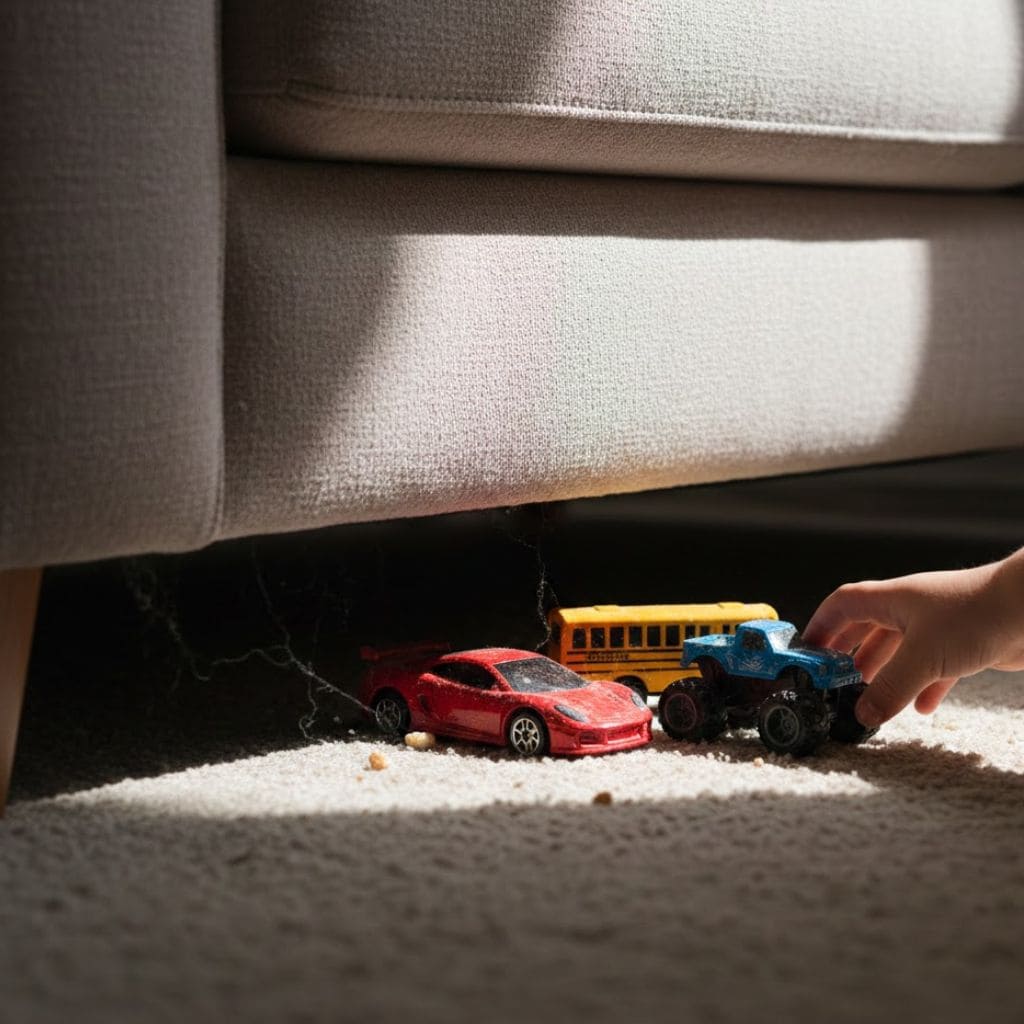
One night, after finding toy cars under the couch for the third time that week, I stood in front of the fridge and thought, this needs to be visual.
How It Started
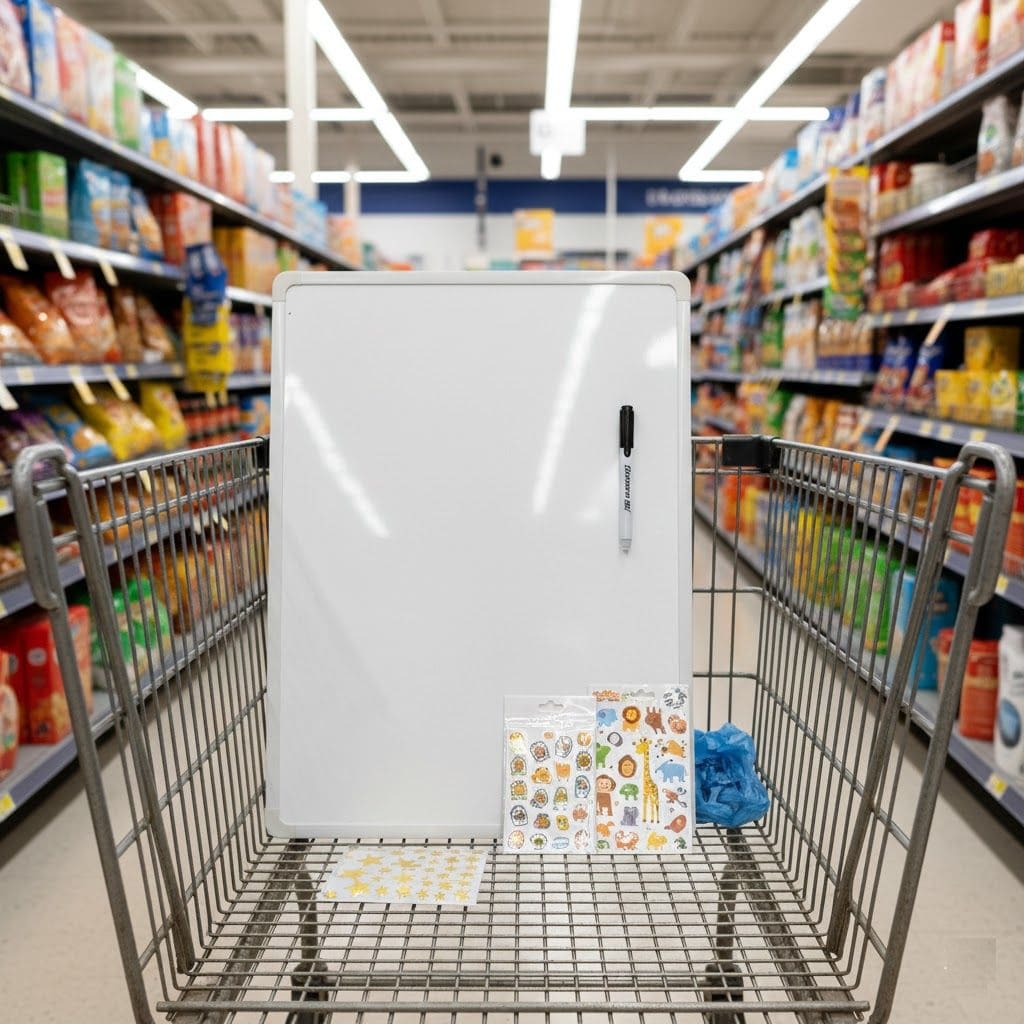
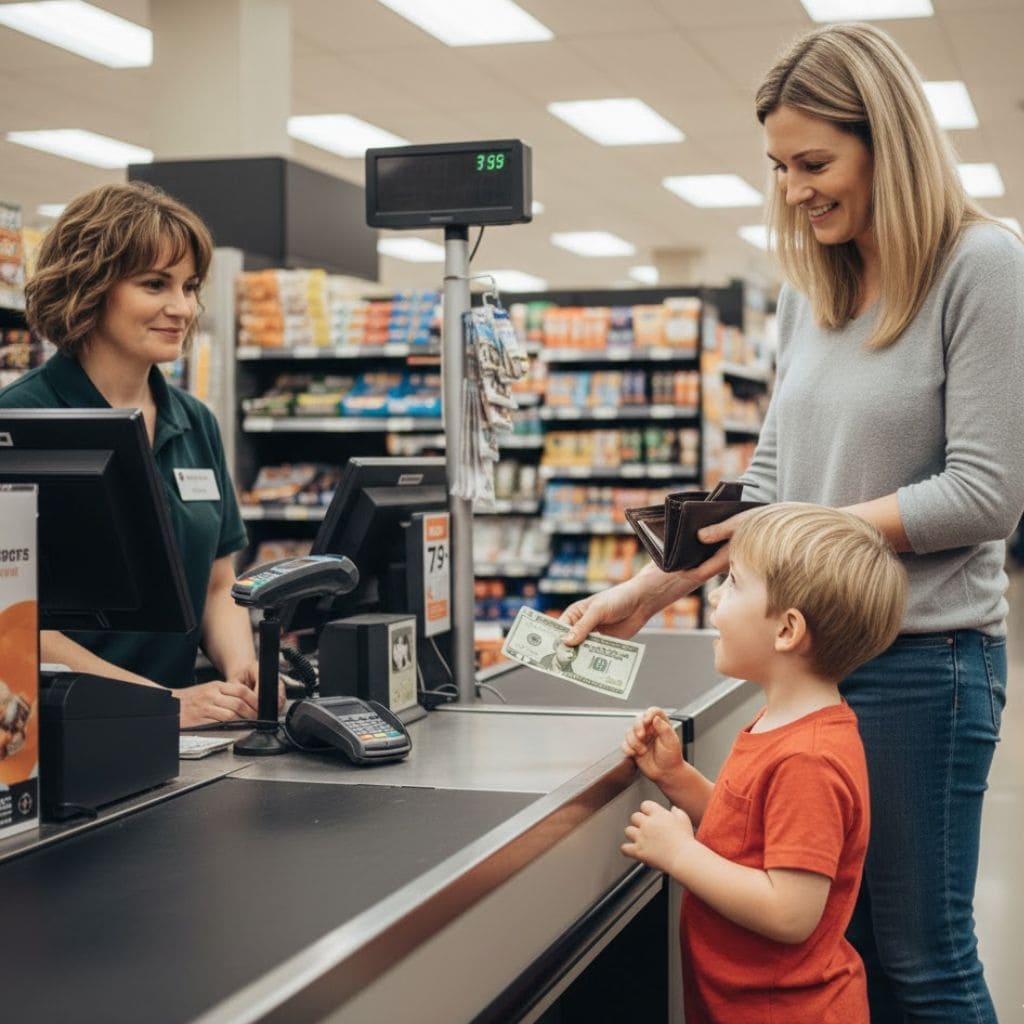
The next day after work, I stopped at Target and went straight to the school supply section.
I bought a large magnetic dry-erase sheet that fits across the top half of the refrigerator door, a pack of gold foil star stickers, and a sheet of colorful animal stickers that I knew William would love.
A few days later, I ordered simple printable chore icons from Etsy – nothing fancy, just clean little images of a bed, a toy bin, a toothbrush, a dog bowl, a laundry basket.
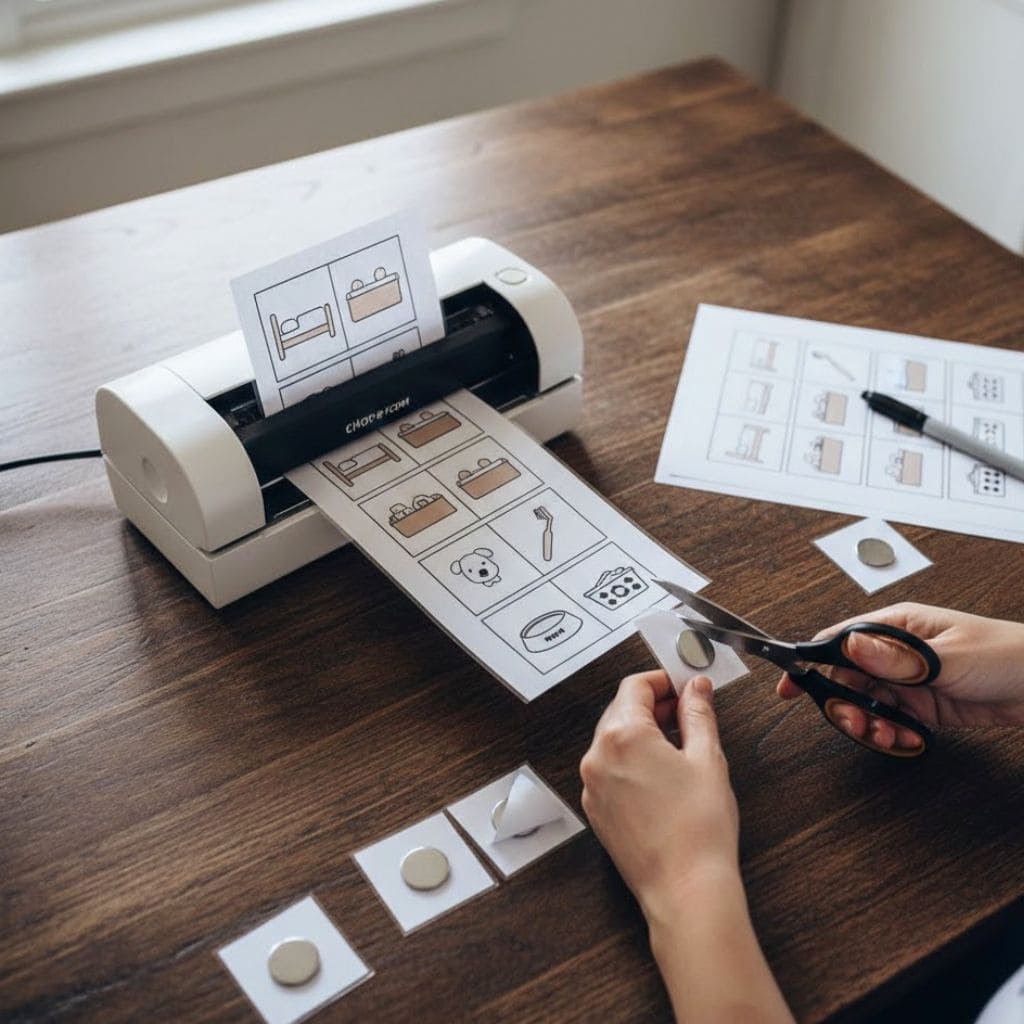
When the package arrived, I printed the icons and laminated them at home using a small laminator I already had for work documents.
I cut each icon into neat squares and attached magnets to the back. Suddenly, the fridge began transforming.
Instead of writing words like “clean toys,” I placed a picture of a toy bin. Instead of “feed dog,” there was a simple bowl icon. William may not read sentences yet, but he understands pictures instantly.
What Our Chart Actually Looks Like
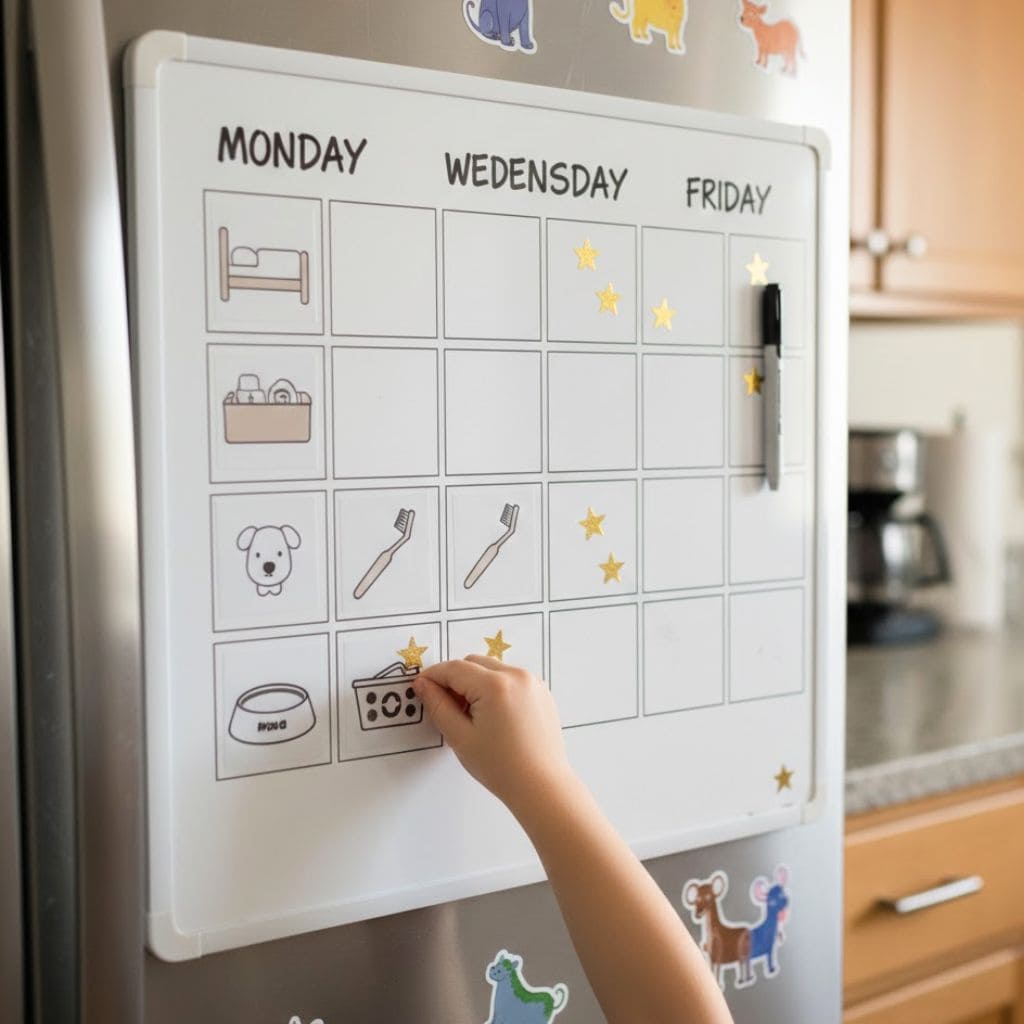
Across the top, I wrote the days of the week using a thick black marker: Monday through Friday. I do not overload weekends because I want them to feel relaxed. Down the side, I placed five icons in a vertical row:
The bed icon means pulling up his blanket and straightening his pillow in the morning.
The toy bin means cleaning up blocks, cars, and stuffed animals before bath time.
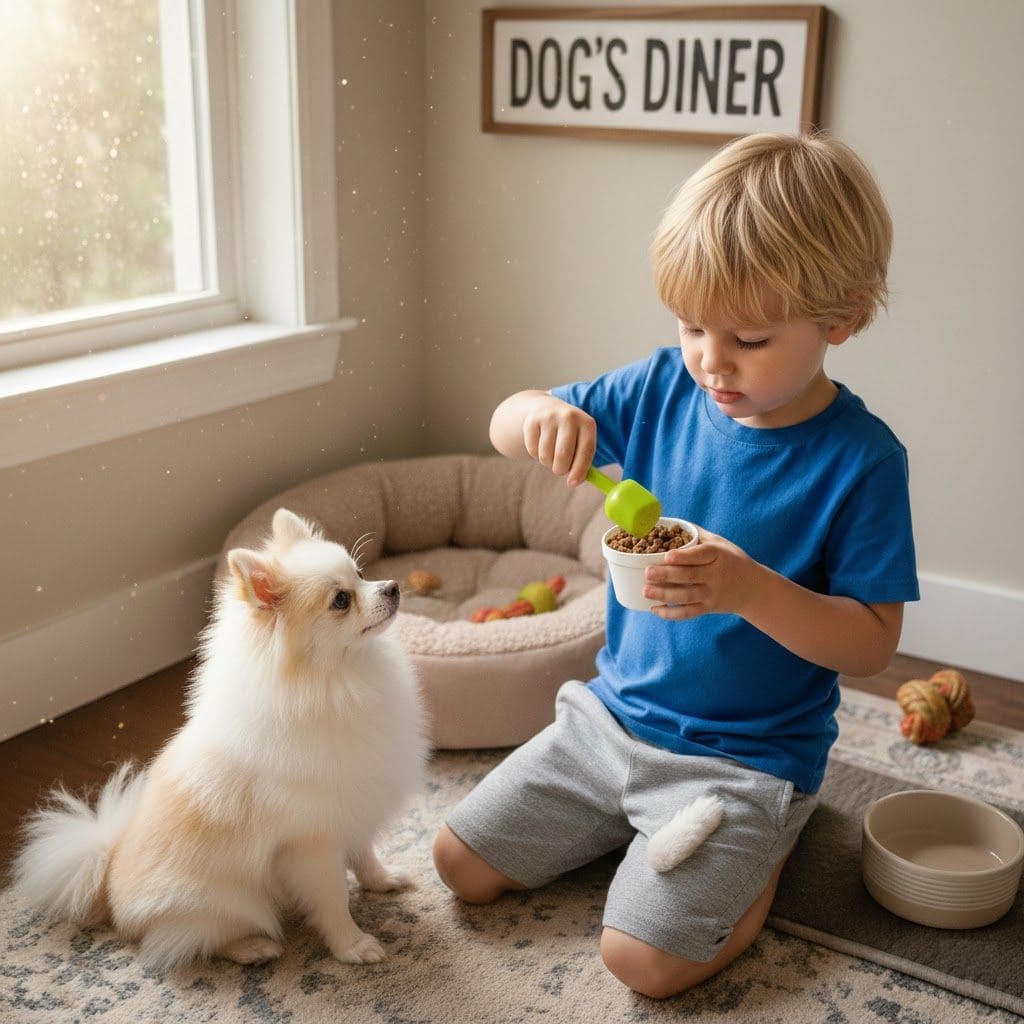
The dog bowl means feeding our Pomeranian and checking his water.
The toothbrush icon reminds him to brush without being chased around the house.
The laundry basket means placing dirty clothes directly into the hamper instead of on the floor.
Each day has a small empty square next to each chore. When he finishes a task, he chooses a gold star sticker and presses it firmly into the box himself.
He walks up to the fridge, stands on his toes slightly, and carefully smooths the sticker flat with his fingers as if sealing an important document.
A Real Evening in Our House
Let me describe a normal Tuesday evening.
Around 7:20 p.m., after dinner, William is usually playing with blocks in the living room. I gently say, “It’s almost sticker time.” That phrase alone now signals what comes next.
He looks toward the fridge automatically.
Sometimes he begins cleaning immediately. Other times he sighs dramatically and moves slowly.
When that happens, I do not argue. I simply walk over to the fridge and tap the empty square for the toy bin. I remind him that the star waits for the job to be done.
At first, he tested me. He would say he was tired or pretend not to hear. I stayed consistent, just the visible empty box.
Now, most evenings, he cleans up without resistance because he wants that gold star. It has become a small but powerful motivator.
What He Can Do Now That He Couldn’t Before

The growth over the past several months has been steady and real.
He feeds our dog every evening without me reminding him. He opens the lower cabinet where we keep the dog food container, scoops exactly one plastic cup of kibble, and pours it carefully into the bowl.
If pieces spill, he grabs the small broom from the corner and sweeps them up because he understands that finishing the job includes cleaning the mess.
He carries his plastic dinner plate to the sink after meals. He places his shoes neatly by the door when we return from the park.
In the morning, he pulls up his blanket and pats his pillow into place before coming into the kitchen.
A few weeks ago, I noticed something that made me smile. He saw one toy car left under the coffee table and said to himself, “This needs the bin,” before putting it away.
Rewards and Real-Life Consequences
On Friday evenings, we stand together in front of the fridge and count the stars. If he completes at least four days fully, he earns a small reward.
Sometimes that reward is choosing our Friday movie. Sometimes it is picking a small toy under five dollars at Walmart. Occasionally, he chooses extra park time or staying up fifteen minutes later on Friday night.
If he does not earn enough stars, nothing dramatic happens. There is no punishment beyond the natural result of not reaching the goal.
The first time this happened, he cried. I held him and explained calmly that we would try again next week. The second time, he accepted it with much more maturity.
I Recommend This to Other Moms
If you are raising a preschooler and feel exhausted from repeating the same instructions daily, a visual system can change the atmosphere in your home.
Children this age respond to pictures and patterns. They like seeing progress and contributing.
Most importantly, let them place the sticker themselves. That small action builds ownership.
Yes, my refrigerator looks crowded. Yes, there are colorful squares and shiny stars everywhere.